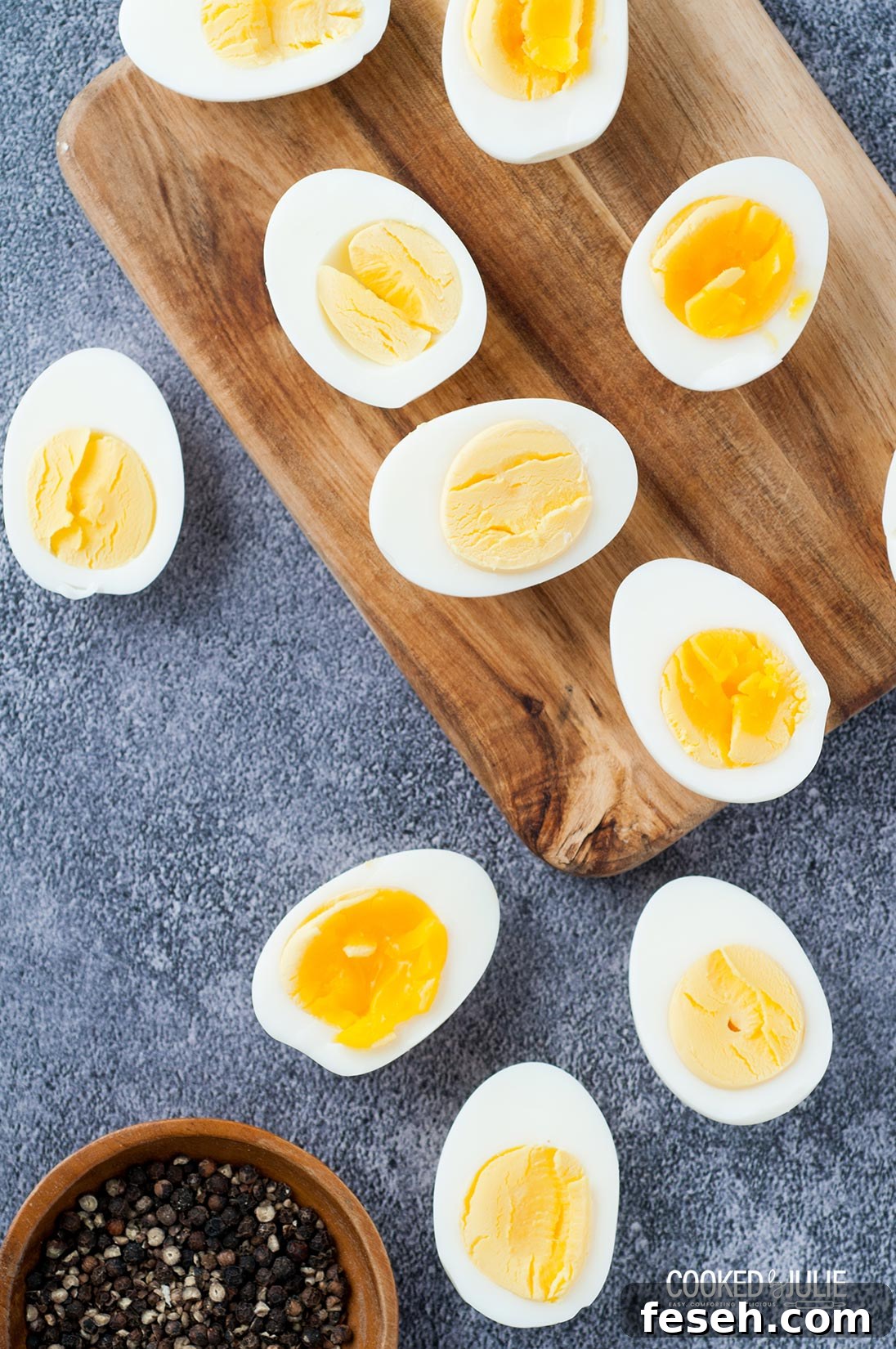
Soft and hard boiled eggs make a high-protein, low-carb snack or breakfast. Follow this straightforward guide to boil eggs perfectly every time.
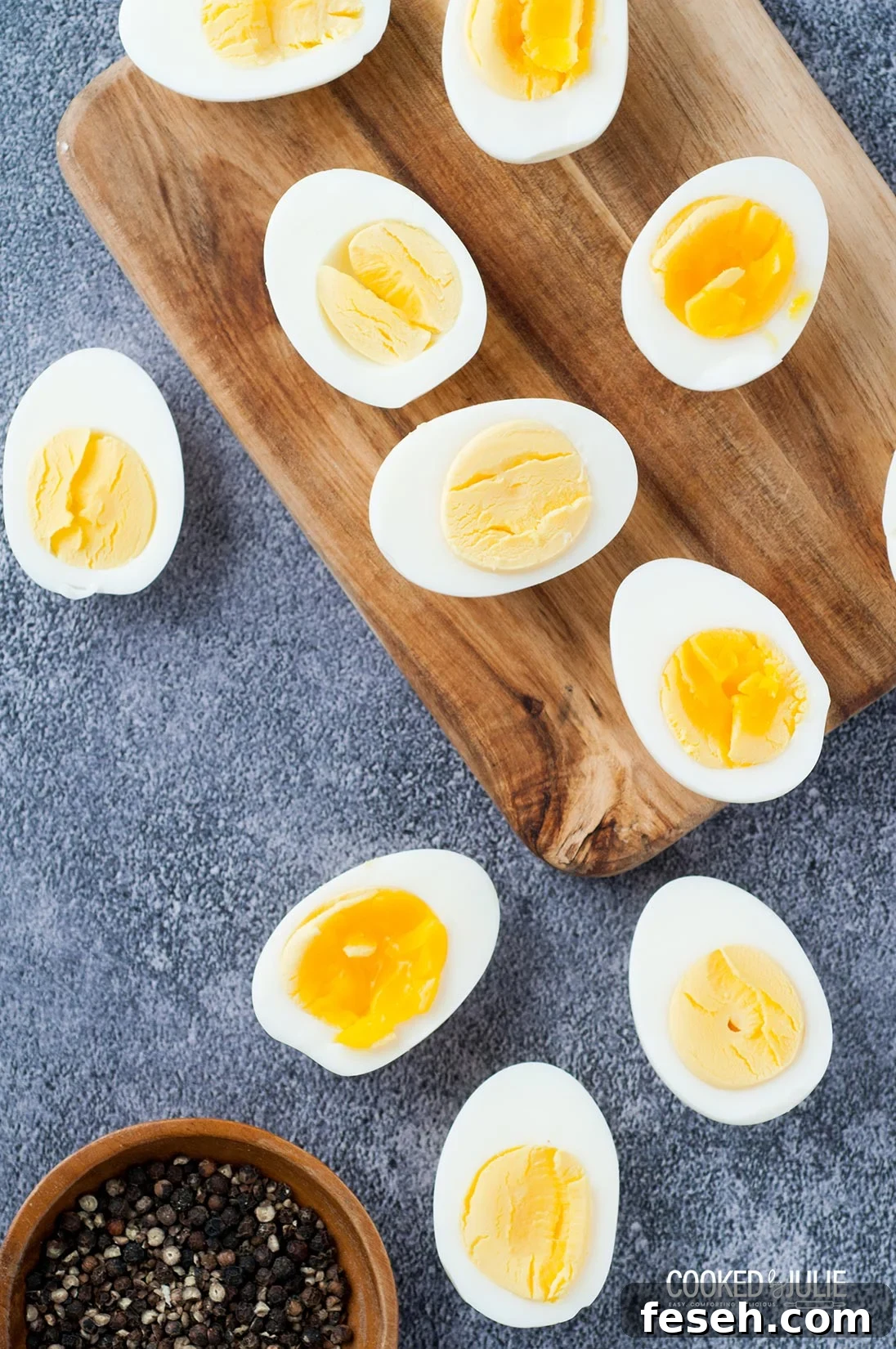
Boiling eggs is a basic kitchen skill, but timing matters. With a timer and a consistent method you can avoid undercooked or overcooked eggs and get the exact texture you want, whether it’s a runny yolk for breakfast or a firm yolk for salads and snacks.
What do I need for boiling eggs?
To make great boiled eggs you only need a few items:
- Eggs
- A saucepan
- A bowl of ice water for shocking
How long to boil eggs
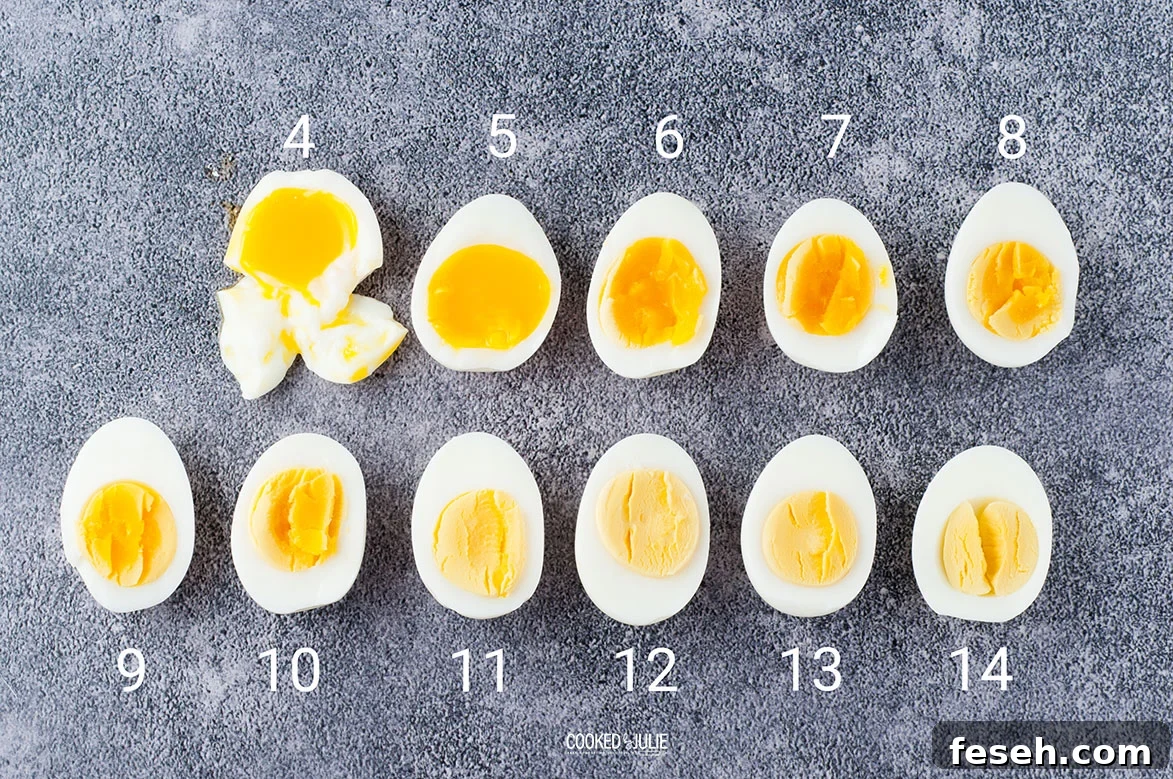
Cooking time determines yolk texture. Use a timer and choose the time that matches your preference:
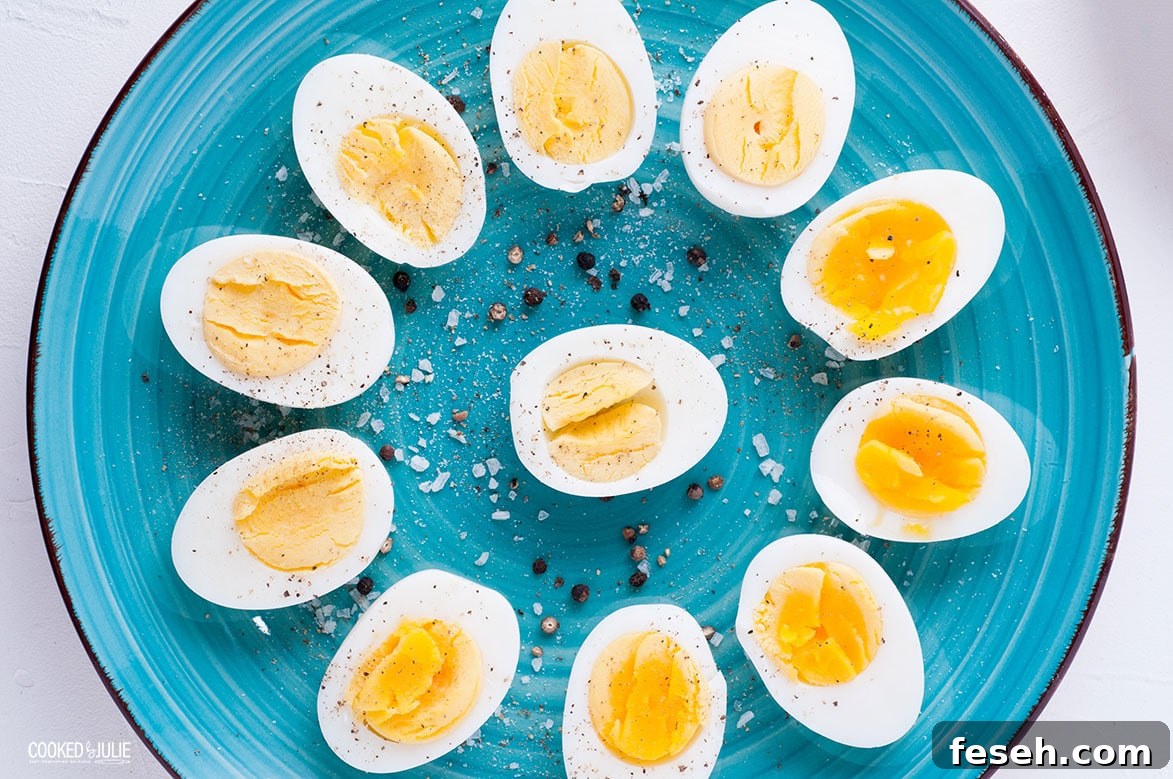
- Soft-boiled: 4–5 minutes for set whites and runny yolks.
- Medium: 6–10 minutes for firm whites and creamy, slightly custardy yolks.
- Firm hard-boiled: 11–14 minutes for fully set yolks and very firm whites.
How to boil eggs perfectly
The simplest, most reliable method starts with cold water:
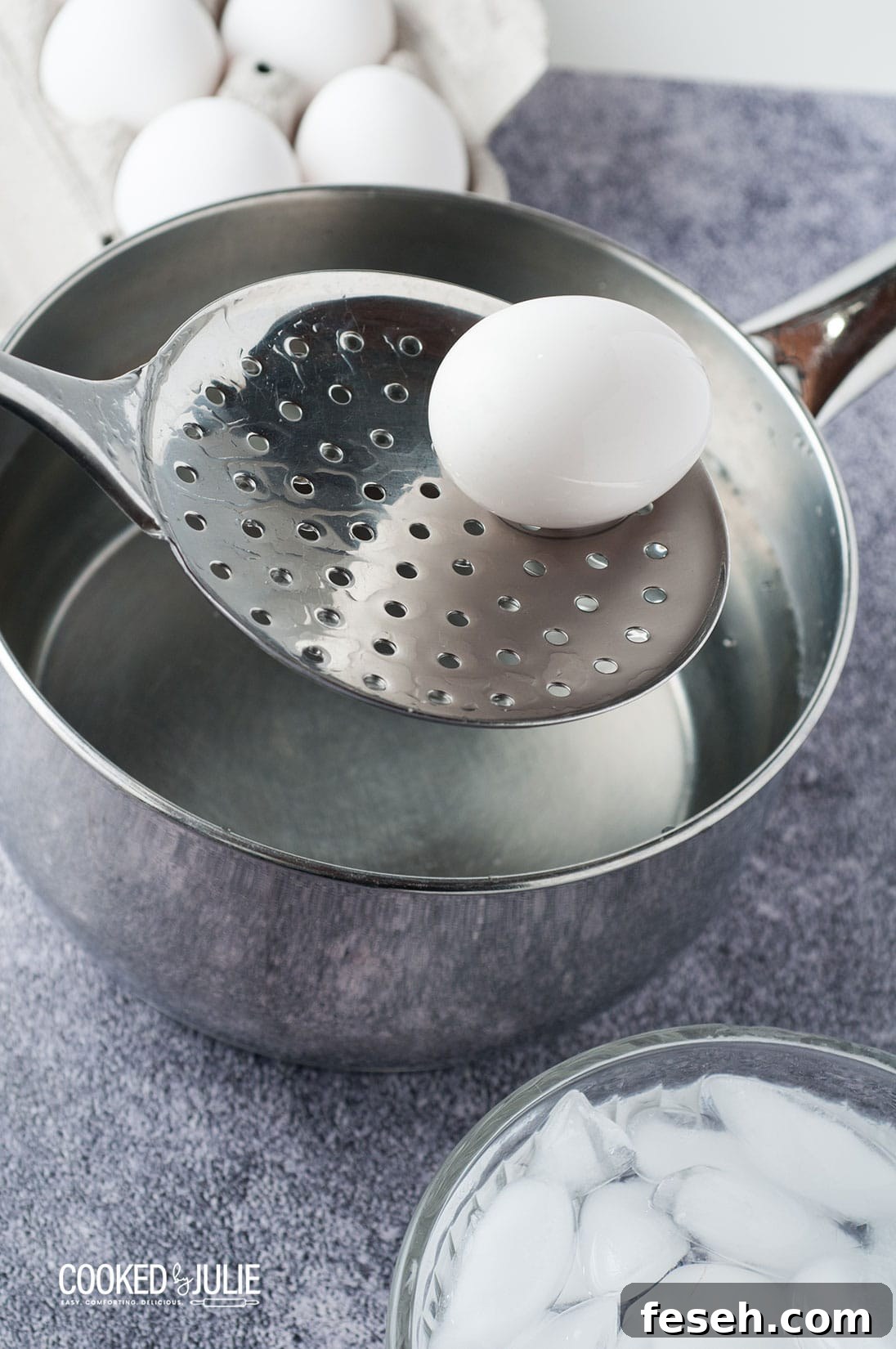
- Place eggs in a single layer in a saucepan and cover with cold water so the eggs are just submerged.
- Set the pan over high heat and bring the water to a rolling boil.
- Once boiling, start your timer and cook for the desired time (4–5 minutes for soft, 6–10 minutes for medium, 11–14 minutes for firm). Then remove the pan from the heat.
- Immediately transfer the eggs to a bowl of ice water to stop the cooking process and make peeling easier.
How to peel hard boiled eggs
- After the eggs have chilled in ice water, let them cool fully.
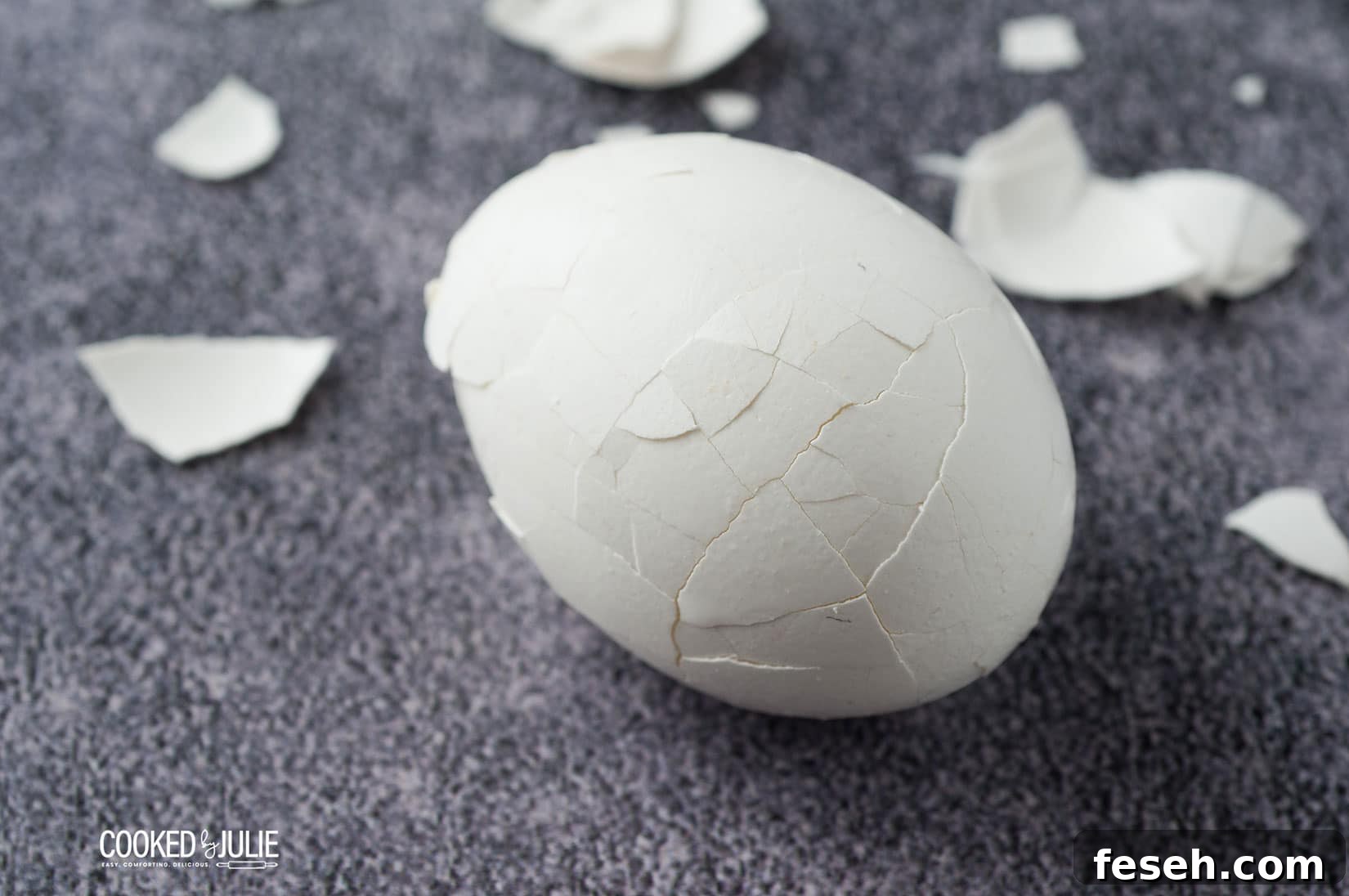
- Tap each egg on a hard surface to create cracks in the shell.
- Roll the egg gently but firmly to loosen the shell all around.
- Peel away the shell pieces with your fingers and rinse the egg under cold water to remove any remaining fragments.
Tip: Rinsing peeled eggs helps remove tiny shell pieces and leaves a smooth surface.
Why is there a green ring around my egg yolk?
A gray-green ring around a yolk indicates overcooking. Shorten the cooking time and cool the eggs promptly in ice water to keep yolks bright yellow and creamy.
How to serve boiled eggs
Boiled eggs are versatile. Here are simple serving ideas:
- Serve whole or halved with a sprinkle of sea salt and freshly cracked black pepper, alongside toast, fruit, or coffee for an easy breakfast.
- Slice or chop hard-boiled eggs to top a chef’s salad or grain bowl.
- Use chopped eggs in salads like egg salad, potato salad, or salads with avocado and chicken for added protein.
- Pack hard-cooked eggs with nuts and raw vegetables for a portable, high-protein snack.
Recipes using boiled eggs
- Deviled Egg Pasta Salad
- Shrimp Cobb Salad
- Easy Turkey Meatloaf (use sliced eggs as a side)
- Hawaiian Macaroni Salad
- Potato and Egg Salad
Recipe: How to Boil Eggs

Summary
Soft and hard boiled eggs are a versatile, protein-rich option. This quick guide shows how to boil eggs for different textures and how to peel them easily.
Yields:
Servings: 12
Prep: 1 min | Cook: 6 mins (varies by desired doneness)
Ingredients
- 12 eggs
- Cold water
- Ice water
- Salt & pepper, for serving (optional)
Instructions
- Place the eggs in a large saucepan and cover with cold water until they are just covered.
- Bring the saucepan to a rolling boil over high heat.
- Boil for 4–12 minutes depending on the texture you want. Use a timer to avoid overcooking.
- When finished, remove eggs from heat and immediately transfer them to a bowl of ice water.
- Let eggs cool, then crack and roll them on a board to loosen the shells.
- Peel and rinse to remove shell fragments.
- Season with salt and pepper or use the eggs in your favorite recipe.
Notes
- Always start with cold water to avoid uneven cooking.
- Shocking eggs in ice water stops the cooking process and helps with peeling.
- A green ring around the yolk means the eggs were overcooked—reduce the time next time.
Nutrition (per egg, approximate)
Calories: 63 kcal | Carbs: 1 g | Protein: 6 g | Fat: 4 g