Is there such thing as vegan collagen?
Many clients who follow vegan or vegetarian diets ask about collagen, so here’s a clear overview. Most products marketed as “vegan collagen” do not contain true collagen. Instead, they typically rely on vitamin C as the primary active ingredient and may include plant proteins such as pea protein. Vitamin C supports the body’s natural collagen synthesis, which is why it features prominently in these formulations.
Collagen itself is an animal-derived protein found predominantly in skin, bones, and connective tissues. At present, there is no authentic vegan collagen that matches the molecular profile of animal collagen. Researchers are exploring alternatives, including extracts from certain seaweeds and algal sources, but no widely accepted, commercially available vegan collagen equivalent exists yet.
While many protein sources—both animal and plant—provide amino acids found in collagen, collagen is distinguished by its unusually high levels of specific amino acids: glycine, proline, alanine, and hydroxyproline. Hydroxyproline in particular is notable because it is largely unique to collagen and not present in other common proteins.
Products labeled “vegan collagen” are generally formulated to boost nutrients and antioxidants that support the body’s own collagen production rather than supplying collagen itself. Because of this, labels can be misleading: you may see “vegan collagen” in large type while the fine print clarifies the product is a “collagen builder” or a set of supporting nutrients.
For those avoiding animal products, a cost-effective approach is to focus on proven nutrients that support collagen synthesis instead of paying premium prices for powders marketed as vegan collagen. A high-quality vitamin C supplement or a diet rich in vitamin C–containing foods will help support collagen formation.
Nutrients that support collagen production:
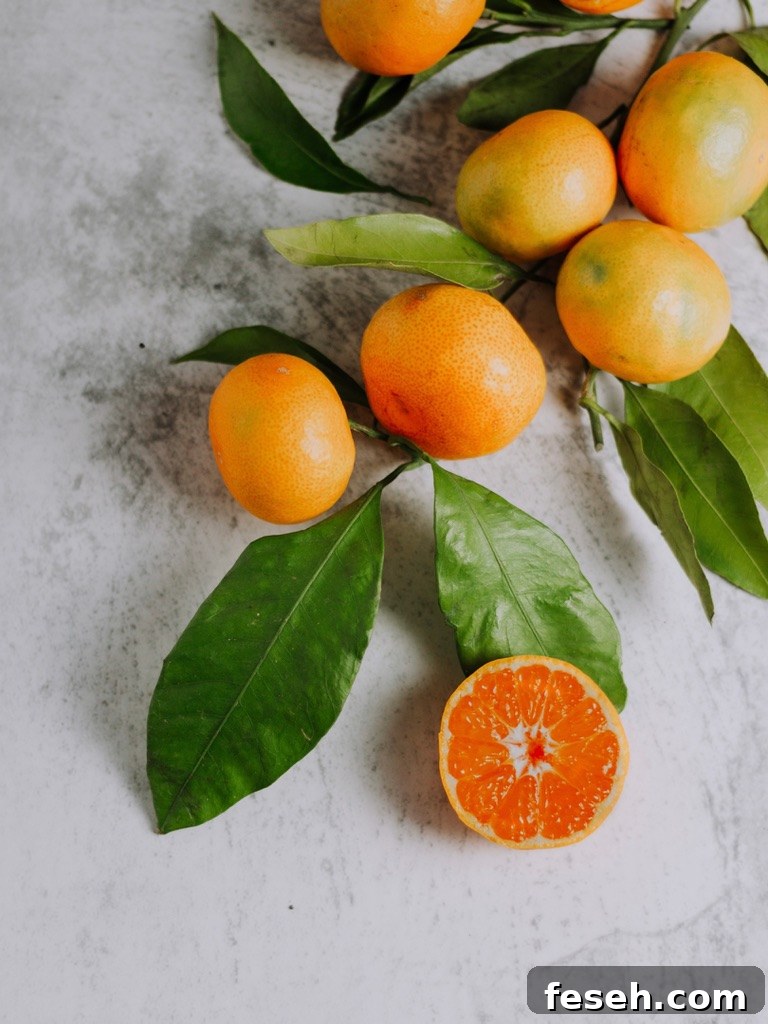
- Vitamin C – abundant in citrus fruits, berries, bell peppers, and leafy greens; it plays a central role in collagen synthesis.
- Zinc – found in foods like pumpkin seeds, legumes, and whole grains; zinc supports tissue repair and protein synthesis.
- Aloe vera – fresh aloe blended into smoothies can provide compounds that may help skin health.
- Antioxidants – sources such as green tea supply antioxidants that protect collagen from oxidative damage.
Read labels carefully and focus on evidence-based nutrients rather than marketing claims. If you follow a vegan or vegetarian lifestyle, emphasize a balanced diet with adequate vitamin C, zinc, and antioxidant-rich foods to support your body’s natural collagen production.