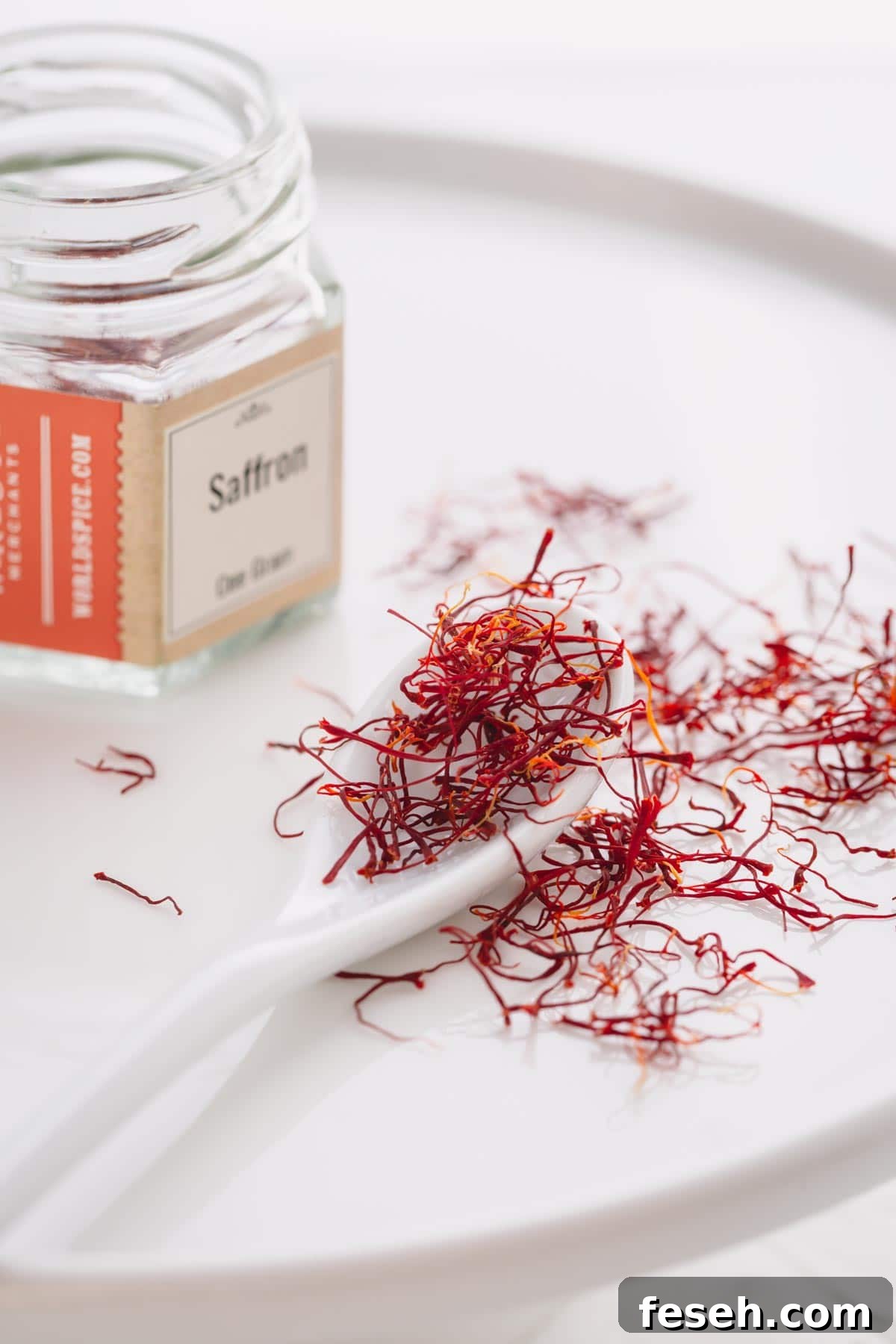
Discover how delicate saffron threads can transform everyday dishes with their subtle earthy and floral notes and a rich golden hue.
What is saffron?
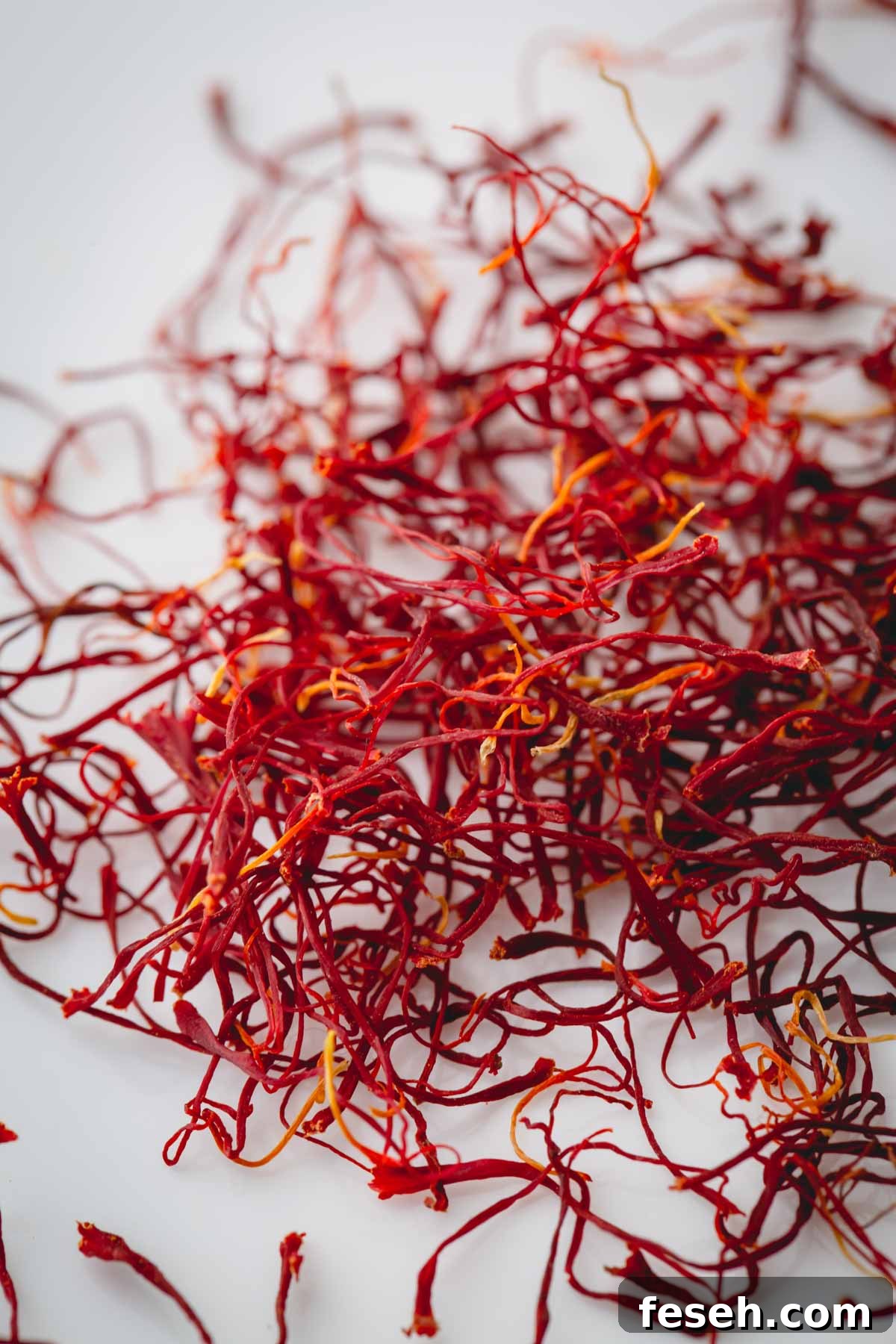
Saffron is not an ordinary spice. It is made from the dried stigmas of a purple crocus flower that blooms for only a short season. Each flower produces three crimson stigmas, which are harvested by hand and dried to create the thin, prized threads we know as saffron.
Because every step of harvesting is manual and time-consuming, saffron is one of the most labor-intensive and expensive spices. It can take tens of thousands of flowers to produce a single pound of saffron, which explains the high cost. Fortunately, only a pinch or two is needed to add its distinct aroma and color to a dish.
What does saffron taste like?
Saffron has a delicate, complex flavor that can be difficult to describe. Aromatically it is sweet, while the taste balances subtle bitterness and earthiness with floral and honey-like notes. Because its flavor is gentle, it can be overwhelmed by strong spices, so use it sparingly.
Be cautious with quantity: too much saffron can make a dish bitter. It’s better to start with a small amount and add more if needed.
Where to buy saffron
Saffron is commonly found in the spice aisle of many grocery stores, though in some shops it may be kept locked due to its value. Specialty spice shops and reputable online retailers are also good sources for quality saffron.
- Look for whole saffron threads rather than ground powder to ensure freshness and authenticity.
- Buy from well-reviewed sellers and avoid unusually low prices that may indicate adulteration.
3 tips for buying saffron
- Choose whole saffron threads over ground saffron. Whole stigmas retain aroma and flavor longer and are less likely to be mixed with fillers.
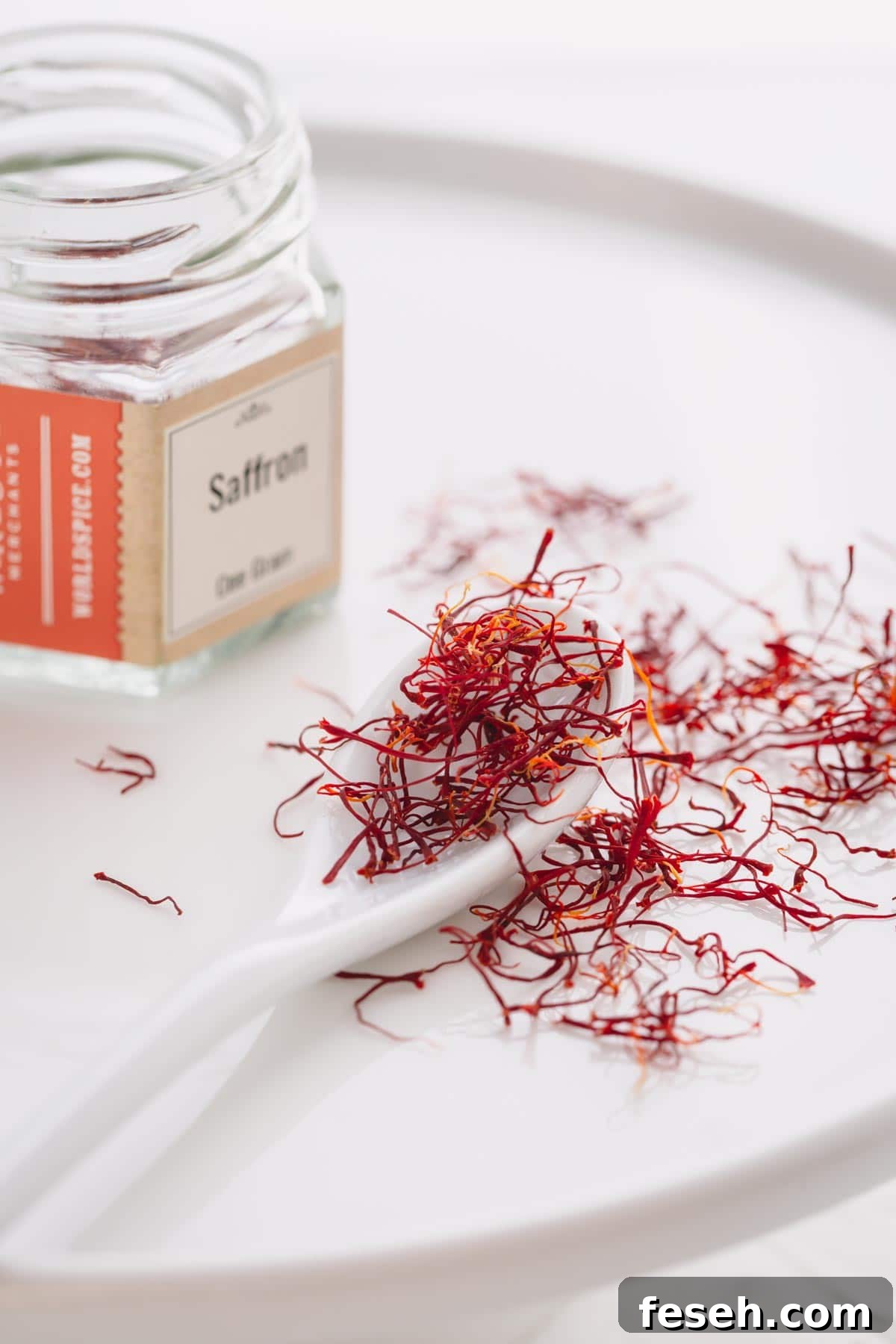
- Expect small quantities: saffron is usually sold in tiny jars containing 1–2 grams. A little goes a long way, so small amounts are normal.
- Buy from reputable sources and be cautious of heavily discounted offers, which can indicate counterfeit or stretched products.
How to spot fake saffron
Because saffron commands a high price, counterfeits exist. To reduce the risk of buying fake saffron, purchase from trusted retailers and look for these signs:
- Color – Authentic threads are deep crimson red with minimal yellow. If threads are mostly yellow, they may be fake or mixed.
- Price – Suspiciously low prices can indicate adulteration. Quality saffron carries a premium.
- Shape – Genuine saffron threads have a thicker, trumpet-like base. Uniformly thin strands can be a red flag.
How to store saffron
- Store saffron in an airtight glass container in a cool, dark place to preserve aroma and color.
- Avoid plastic containers and direct light, which can degrade the threads over time.
- Do not refrigerate saffron or keep it near heat sources like the stove.
- Saffron’s quality diminishes with time; for best flavor, use it within about a year of purchase.
Ways to use saffron
Saffron is a hallmark ingredient in Mediterranean, Middle Eastern, South Asian, and Spanish cuisines. Classic uses include paella, saffron rice, bouillabaisse, and chicken tagine. A small pinch adds warmth, color, and a subtle sweet-bitter complexity.
For best results, soak whole threads in warm liquid (water, stock, or milk) for a few minutes before adding them to a recipe, or grind threads with a mortar and pestle into a fine powder for even distribution. In dishes with ample liquid, you can add the threads whole and let them release their flavor as the dish cooks.
Health benefits
Saffron has a long history of use in traditional medicine and contains several plant compounds—most notably crocin, picrocrocin, and safranal—that act as antioxidants. These compounds help protect cells against oxidative stress and free radicals.
While saffron is rich in antioxidant molecules, many claimed health benefits still need more rigorous scientific confirmation. Nonetheless, its antioxidant content contributes to overall nutritional value.