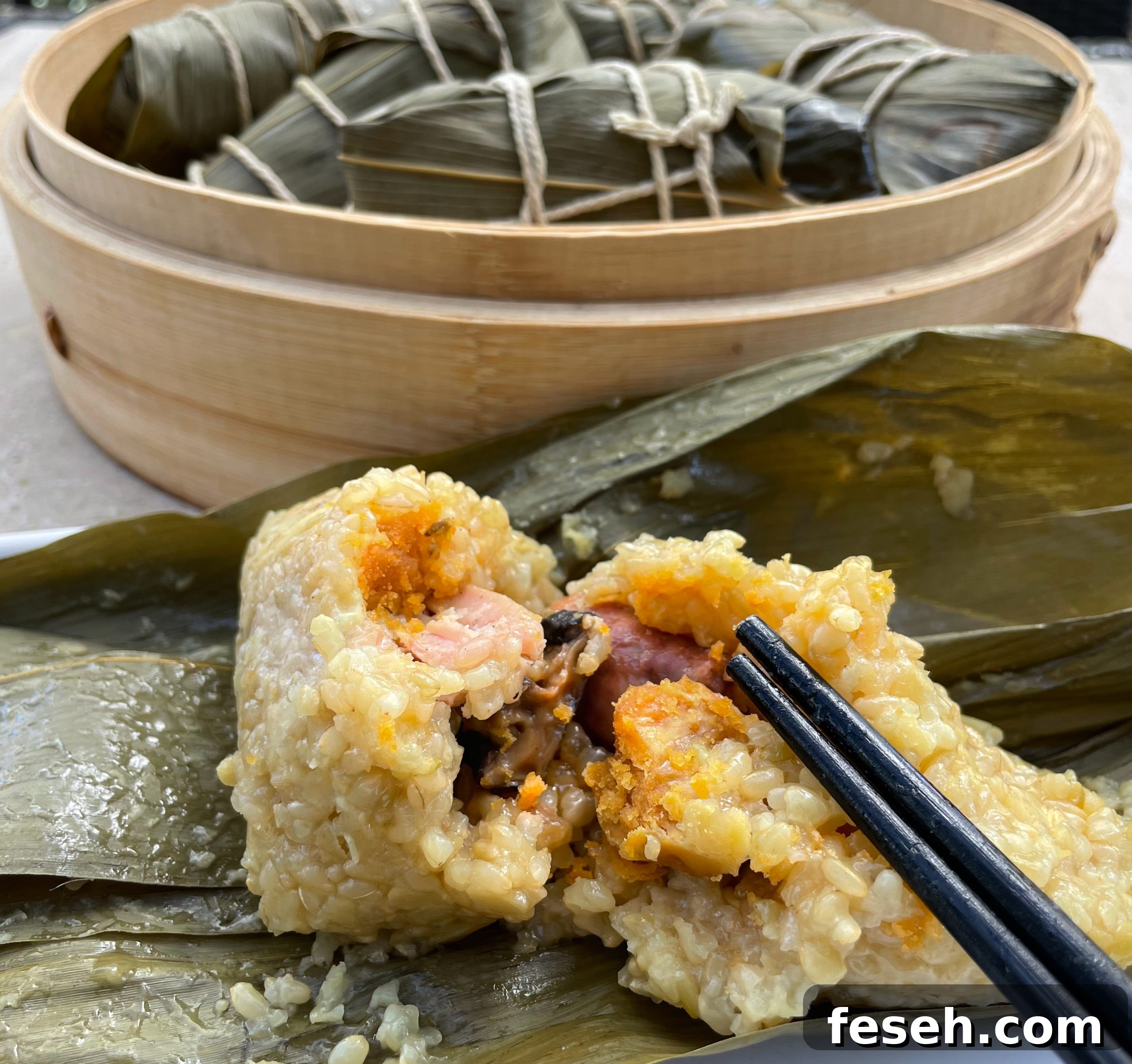
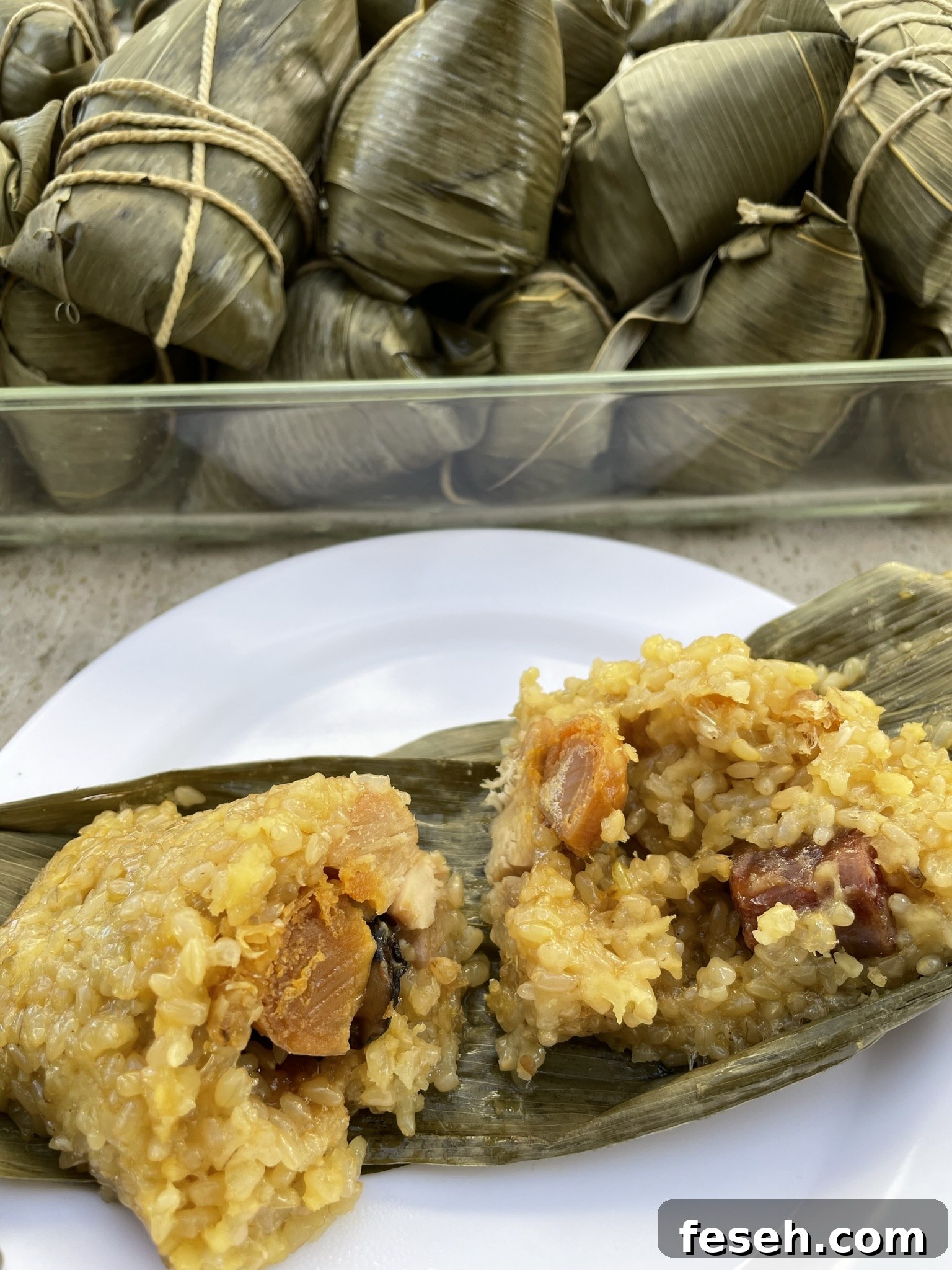
For many years I’ve made traditional zongzi, especially around the Dragon Boat Festival. Recently, because I’m prediabetic, I experimented with a healthier version by swapping white glutinous rice for sweet brown rice and replacing large pork pieces with chicken. The result was surprisingly delicious: this brown sticky rice with chicken in bamboo leaves (zongzi 粽子) keeps the familiar savory flavors while offering more texture and a lower glycemic index thanks to the brown sweet rice.
Brown rice vs white rice
Brown rice is generally more nutritious than white rice. As a whole grain, brown rice retains the fibrous bran and nutrient-rich germ that are removed when rice is milled to produce white rice. Because of that, brown rice provides extra fiber and more vitamins.
Brown rice also tends to have a lower glycemic index and contains more magnesium, which can help moderate blood sugar. Typical values put brown rice at a GI near 50 versus white rice around 89, meaning white rice raises blood sugar more rapidly. The carbohydrate content between the two is similar, but the higher fiber and nutrients in brown rice make it a worthwhile swap for a healthier zongzi.
Tips for making brown sticky rice with chicken in bamboo leaves (zongzi or joong)
The quantities below are for one zongzi; scale up depending on how many you plan to make.
- 2 bamboo leaves
- 2/3 cup brown sweet rice and mung bean mixture
- 1/4 – 1/3 stick Chinese sausage
- 1 piece of marinated chicken thigh (about 1½-inch cube)
- 1/2 rehydrated shiitake mushroom
- Approximately 3 rehydrated medium dried shrimp
- 1/2 salted duck egg yolk
- Peanuts (optional)
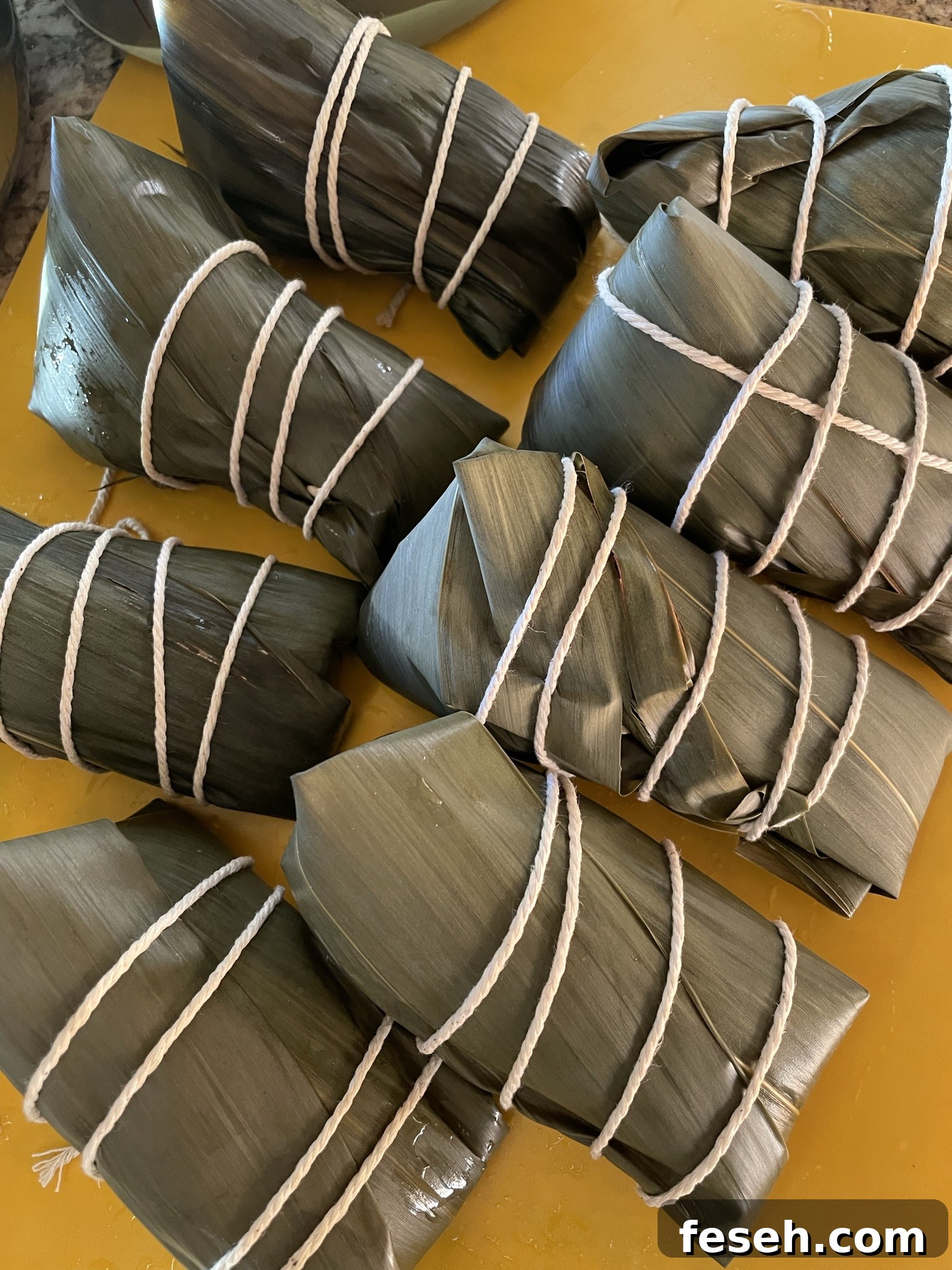
Bamboo leaves
Buy dried bamboo leaves from an Asian grocery and clean and soak them overnight so they become supple and easy to fold. Minor splits in leaves are workable if positioned carefully, but leaves are inexpensive so it’s fine to soak extras to replace any flawed pieces. If you have leftover leaves, line the bottom of your cooking pot with them to add more bamboo aroma.
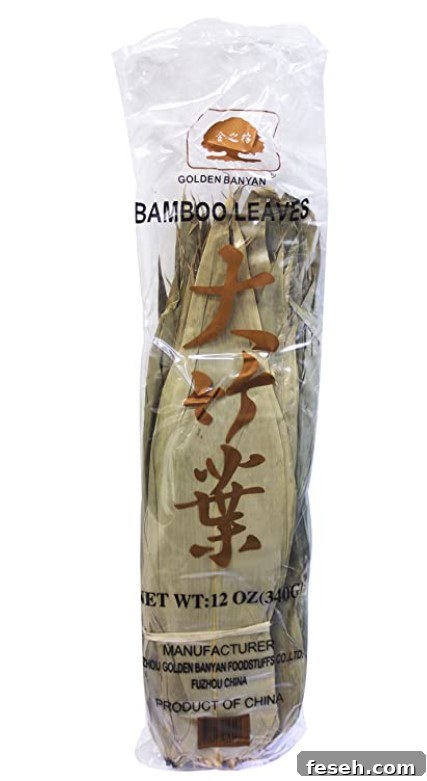
In my video I use two leaves per zongzi and keep a few extras on hand to swap for blemished leaves.
Rice
Use brown sweet rice (sometimes labeled “sweet” or glutinous brown rice) so the cooked grains stick together. Regular brown rice won’t yield the same sticky texture. For consistent zongzi sizes I use 2/3 cup of the rice-mung bean mixture per zongzi.
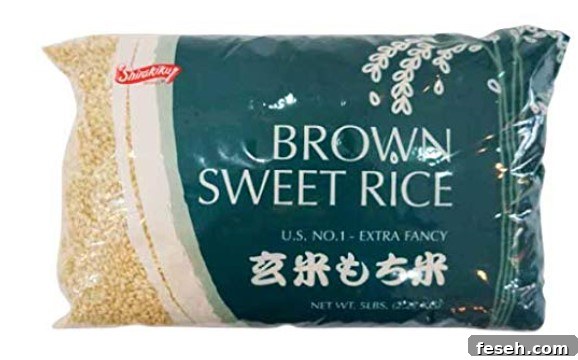
Note: sweet brown rice is different from ordinary brown rice—look for the sticky/glutinous variety.
Rice and mung bean ratio
I prefer the mung bean to play a background role, so my ratio keeps it modest: for every cup of sweet brown rice, add 1/4 cup peeled mung beans.
Practical guideline:
– For three zongzi allow just under 1 cup of brown sweet rice (the mixture expands when soaked).
– For each cup of rice, use 1/4 cup peeled mung beans.
Rinse the rice and mung beans, then soak them with salt. I add about 1 teaspoon of salt per cup of rice to the soaking water. Because brown sweet rice has the bran and germ intact, it needs longer to hydrate: soak for about four hours, then drain thoroughly before wrapping.
Do not soak longer than four hours. Partial hydration is ideal: if the rice is fully hydrated before cooking it won’t expand properly and the zongzi can become dense or the leaves can split during boiling. Four hours lets the rice begin to absorb water; final expansion happens while cooking.
Fillings (fixins)
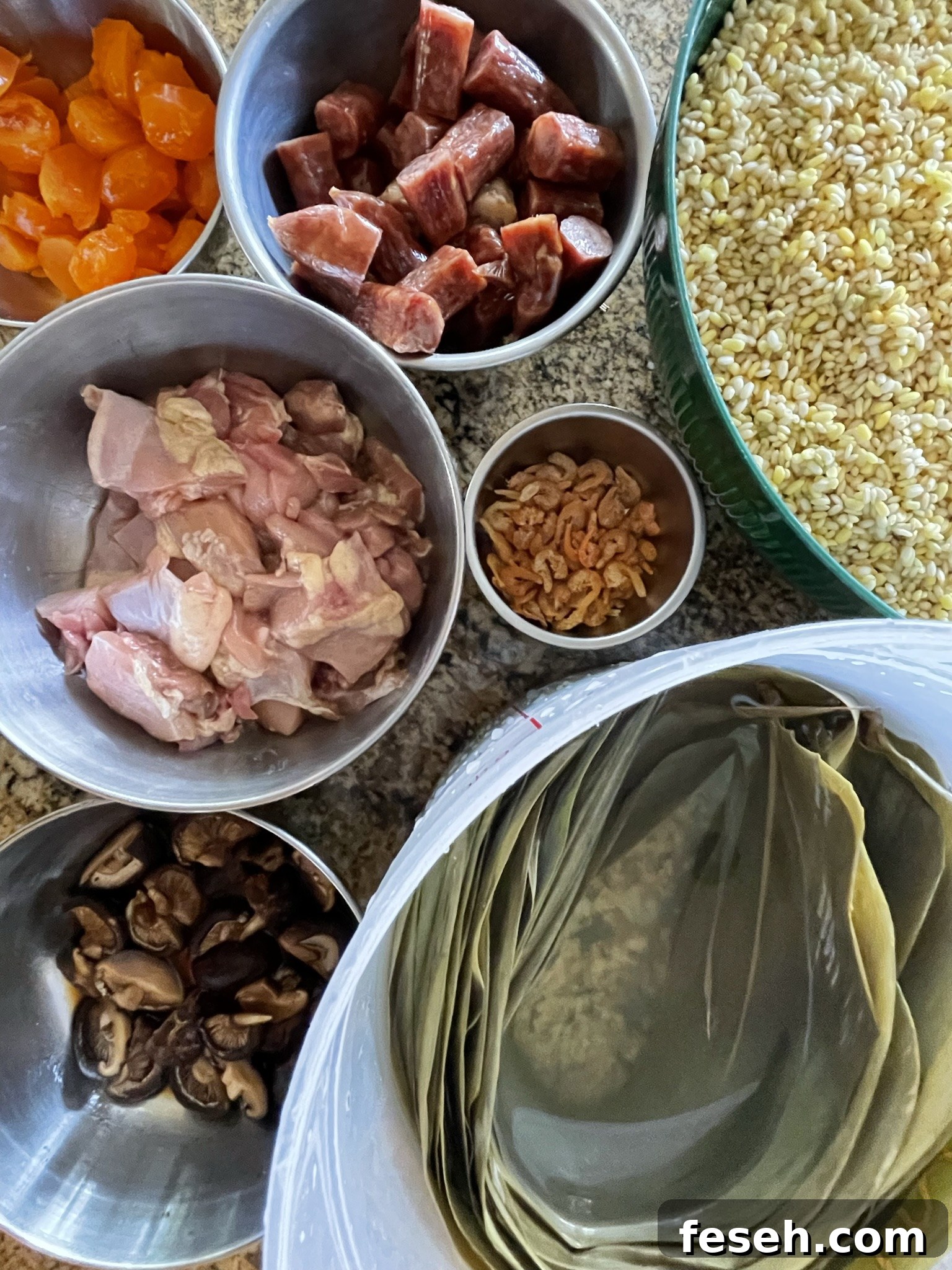
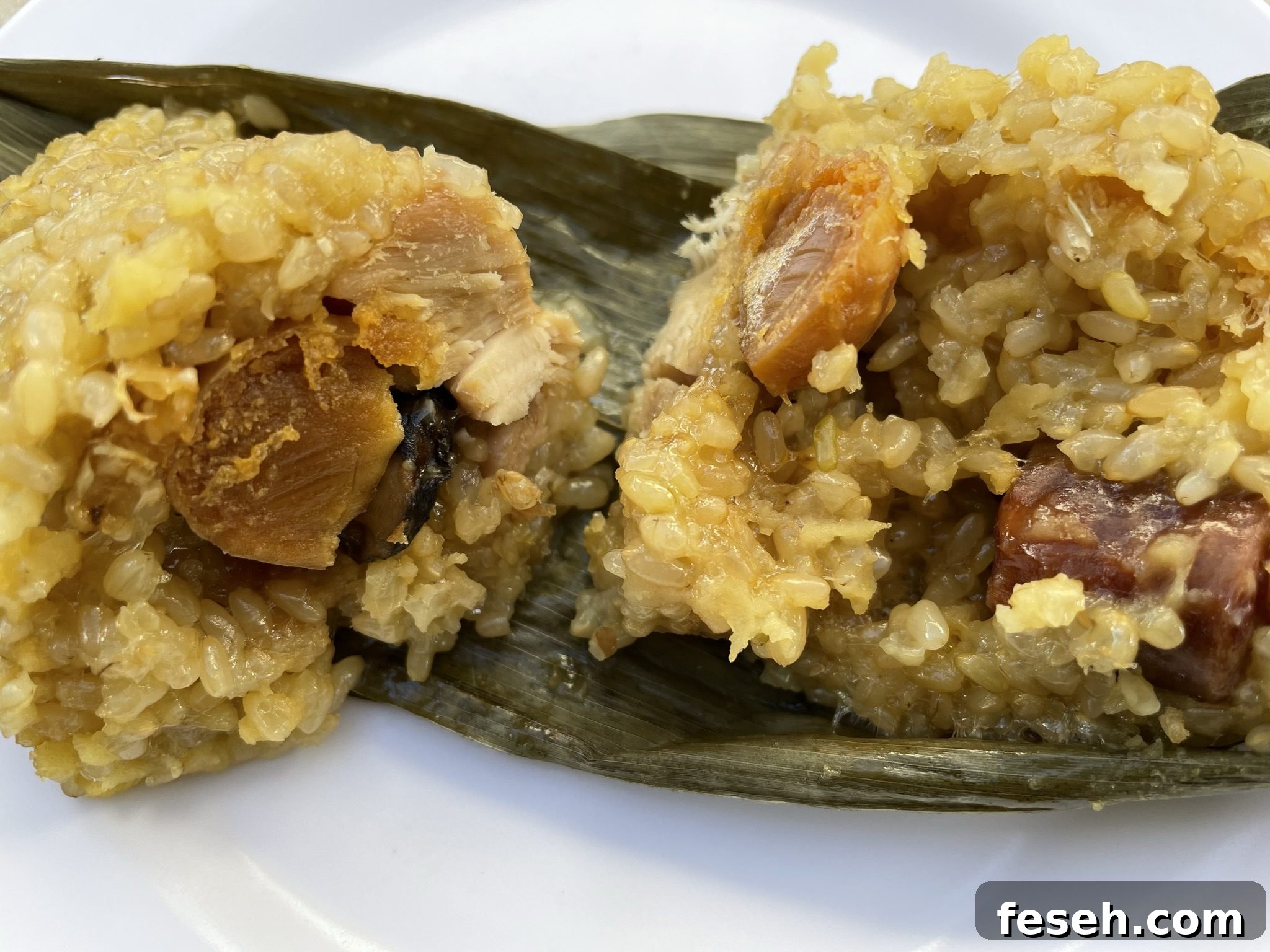
Traditional savory fillings include peanuts, dried shrimp, dried shiitake mushrooms, Chinese sausage, salted pork belly, and salted duck egg yolk. I favor larger pieces of flavorful ingredients — it’s more satisfying to bite into bigger morsels.
Peanuts
Raw, peeled peanuts can be added if desired.
Dried shrimp
Rehydrate medium dried shrimp; I use about three shrimp per zongzi.
Dried shiitake mushrooms
Soak shiitake in a mixture of water and a little soy sauce for added umami.
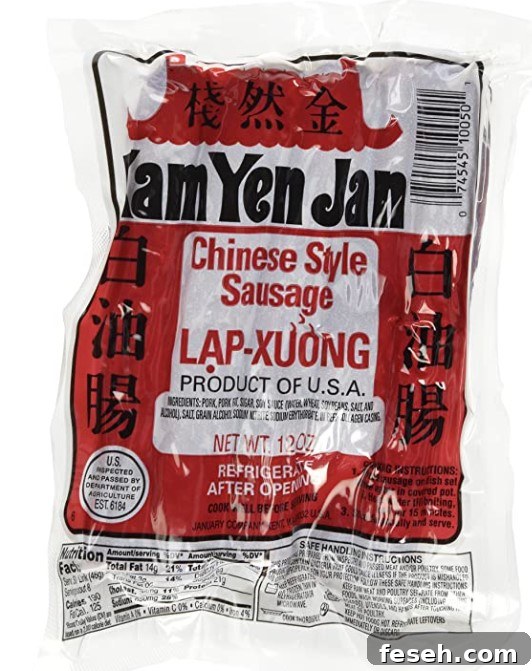
Chinese sausage
Slice each sausage stick into three or four pieces so each zongzi gets a generous portion.
Salted duck eggs
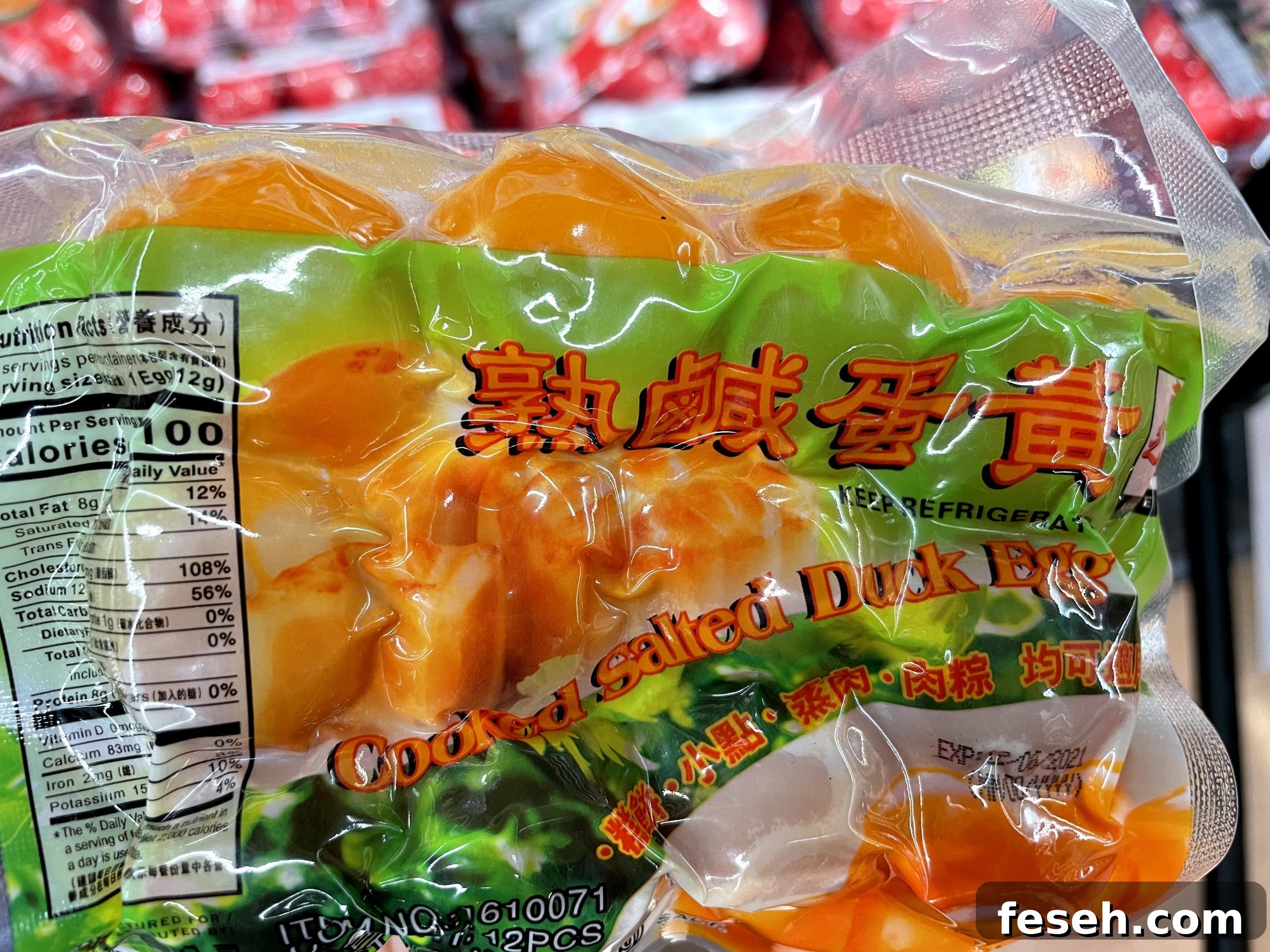
Pre-peeled salted duck egg yolks (with the whites removed) are convenient and worth the extra cost. A pack of twelve yolks, halved, will supply 24 zongzi. If you use whole salted eggs you’ll need to peel and separate the yolks from the whites — the whites can become rubbery in zongzi, so many cooks omit them.
Salt
Add salt to the rice soak water and also to the cooking liquid. I add chicken bouillon powder along with salt to the boiling water for extra savory depth.
Marinated chicken chunks
Chicken thighs are preferred because they retain some fat, which adds flavor and juiciness. Cut them into 1½-inch cubes and marinate overnight with a simple Chinese meat marinade (light soy sauce, a little sugar, pepper, cornstarch, and any other favorite seasonings).
String or twine
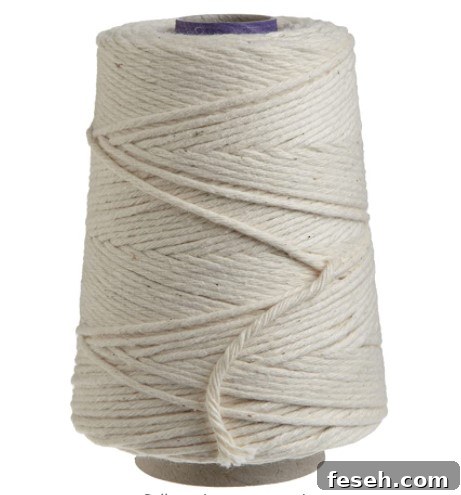
Use 100% natural cotton string. Avoid colored or synthetic strings — dyes can leach and nylon is hard to work with.
Boiling zongzi
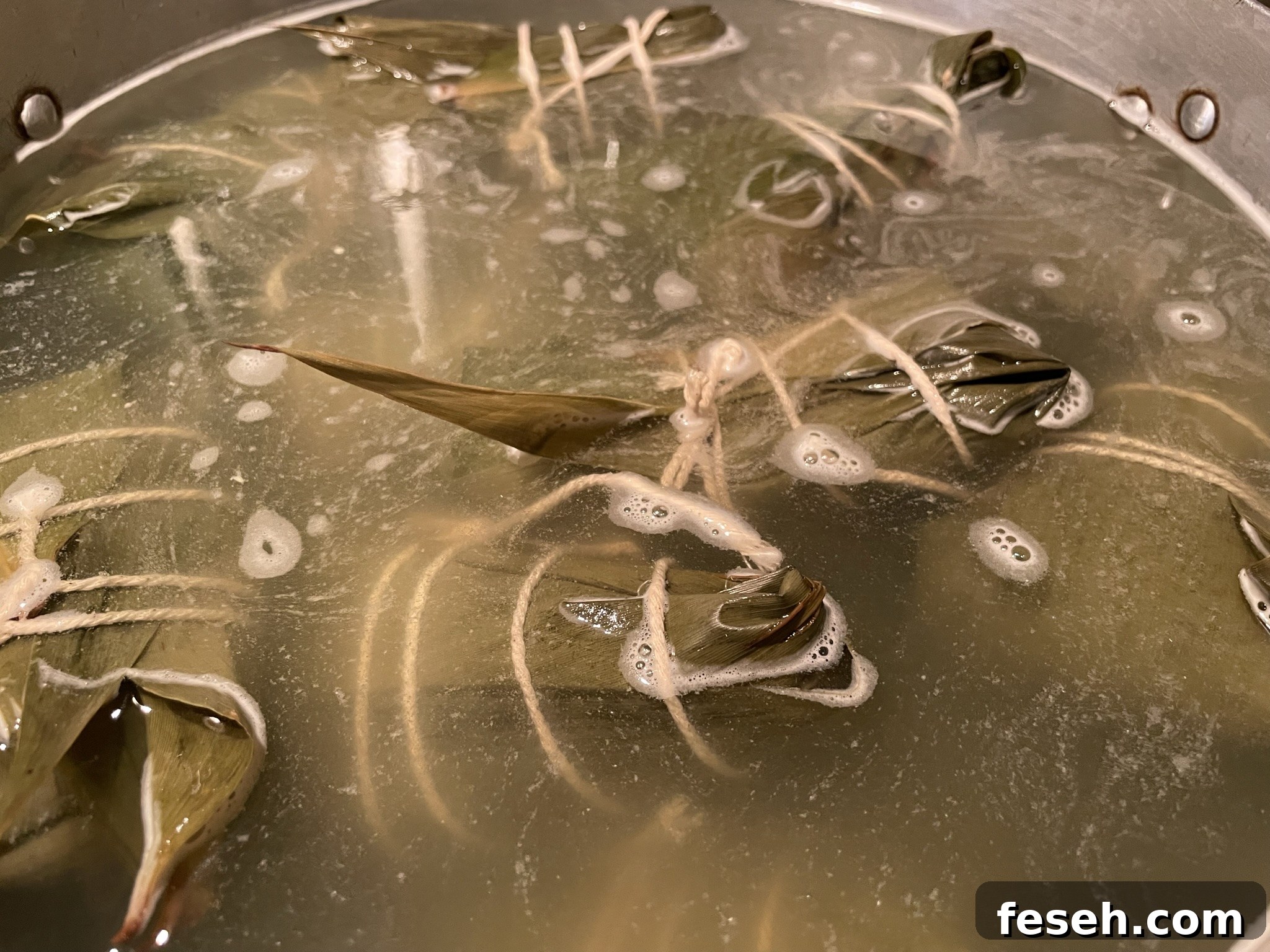
Cook the wrapped zongzi for about 3½ to 4 hours so the rice becomes fully sticky. Pack zongzi in the pot to minimize movement and prevent them from floating and spilling rice. Leave enough room for rice expansion. Keep an eye on water level and add boiling water as needed to keep the water just above the zongzi tops — this preserves flavor and prevents unwrapping.
Storing leftover zongzi
Freeze extras in freezer bags. Reheat from frozen in a covered dish in the microwave or by steaming until heated through.
I hope you enjoy this healthier version of zongzi. If you try the recipe or watch my wrapping video, please share how your zongzi turned out — I’d love to hear your feedback. Enjoy!
BROWN STICKY RICE AND CHICKEN IN BAMBOO LEAVES (ZONGZI 粽子)
Ingredients
- 24 pieces dried bamboo leaves (soak extras to replace split leaves)
- 100% cotton string
Rice mixture
- 555 g brown sweet rice
- 75 g peeled mung beans
- 950 ml water for soaking
- 4 tsp salt (for soaking)
Chicken
- 453 g chicken thighs, cut into cubes (some fat preferred)
- 1 tsp salt
- ½ tsp pepper
- ½ tsp sugar
- 1 Tbsp light soy sauce
- ½ tsp corn starch
Mushrooms
- 6 medium dried shiitake mushrooms
- 1 tsp light soy sauce
- 60 g boiling water (to rehydrate)
Other ingredients
- 12 g dried medium shrimp (about 3 per zongzi)
- 4 sticks Chinese sausage, cut into 3–4 pieces each
- 6 salted duck yolks, cut in half
- 1 tsp salt (for cooking)
- 2 tsp chicken bouillon powder (for cooking)
Instructions
Overnight preparation
- Clean and soak bamboo leaves overnight until supple.
- Rinse shiitake mushrooms, add a splash of soy sauce and boiling water, and soak overnight.
- Rinse dried shrimp and cover with water to rehydrate.
Four hours before wrapping
- Rinse rice and mung beans in a large container, add water and 1 tsp salt per cup of rice, and soak for 4 hours. Do not oversoak.
- Cut Chinese sausage into pieces and cut salted duck yolks in half.
- Marinate chicken thigh cubes overnight in a basic Chinese meat marinade; season as desired.
Wrapping
- Drain rice-mung mixture. Place 2/3 cup rice mixture in the leaf, add marinated chicken, a piece of sausage, mushroom, dried shrimp, and half a salted yolk, then top with more rice and wrap tightly. Use two leaves per zongzi for better support.
Boiling
- Arrange wrapped zongzi snugly in a pot. Add enough water to cover, then season the water with 1 tsp salt and 2 tsp chicken bouillon powder.
- Bring to a boil, then maintain a rolling boil for about 3 hours. Replenish with boiling water as needed to keep the water just above the zongzi.
- Remove zongzi and cool on a rack. Freeze extras for later use.