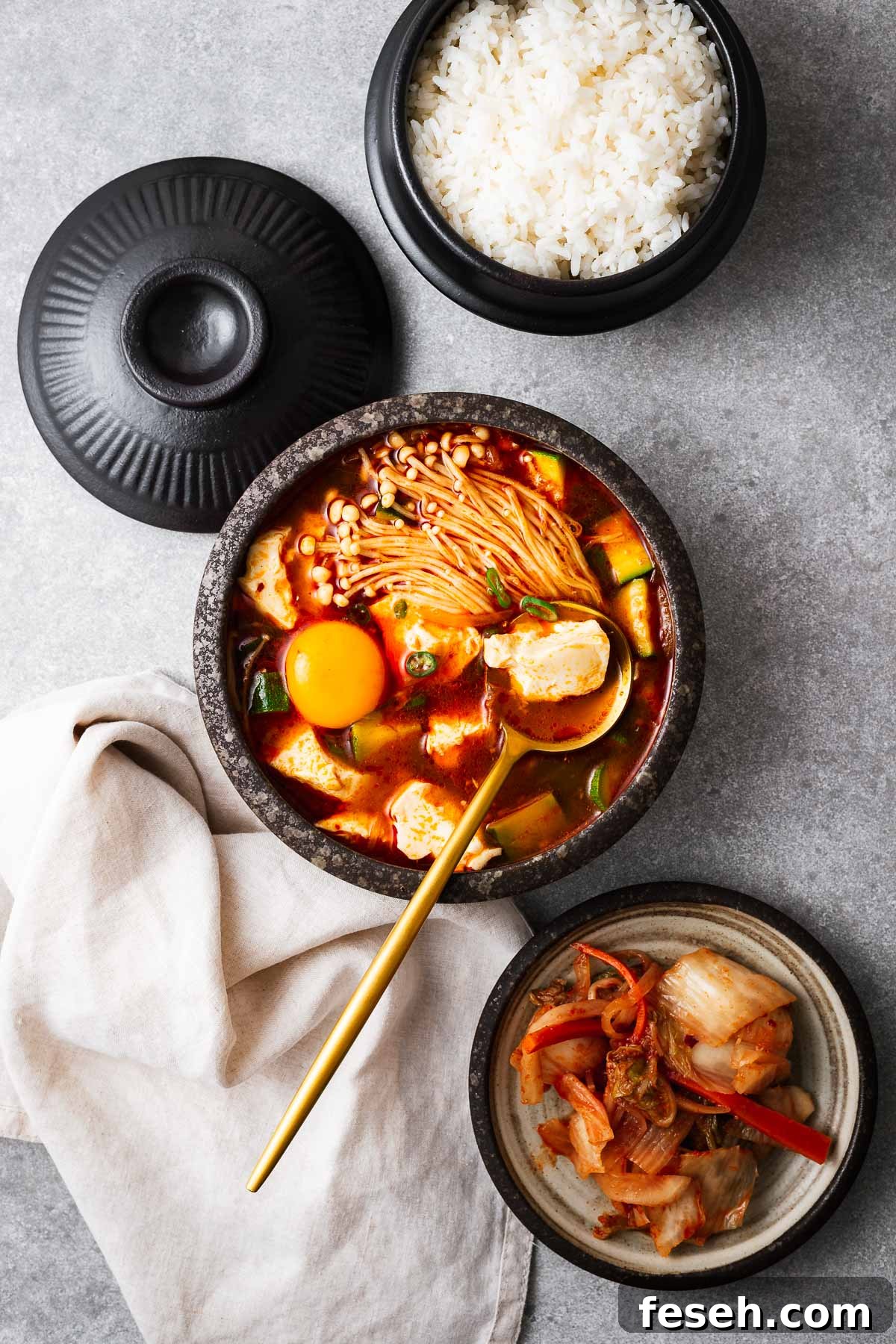
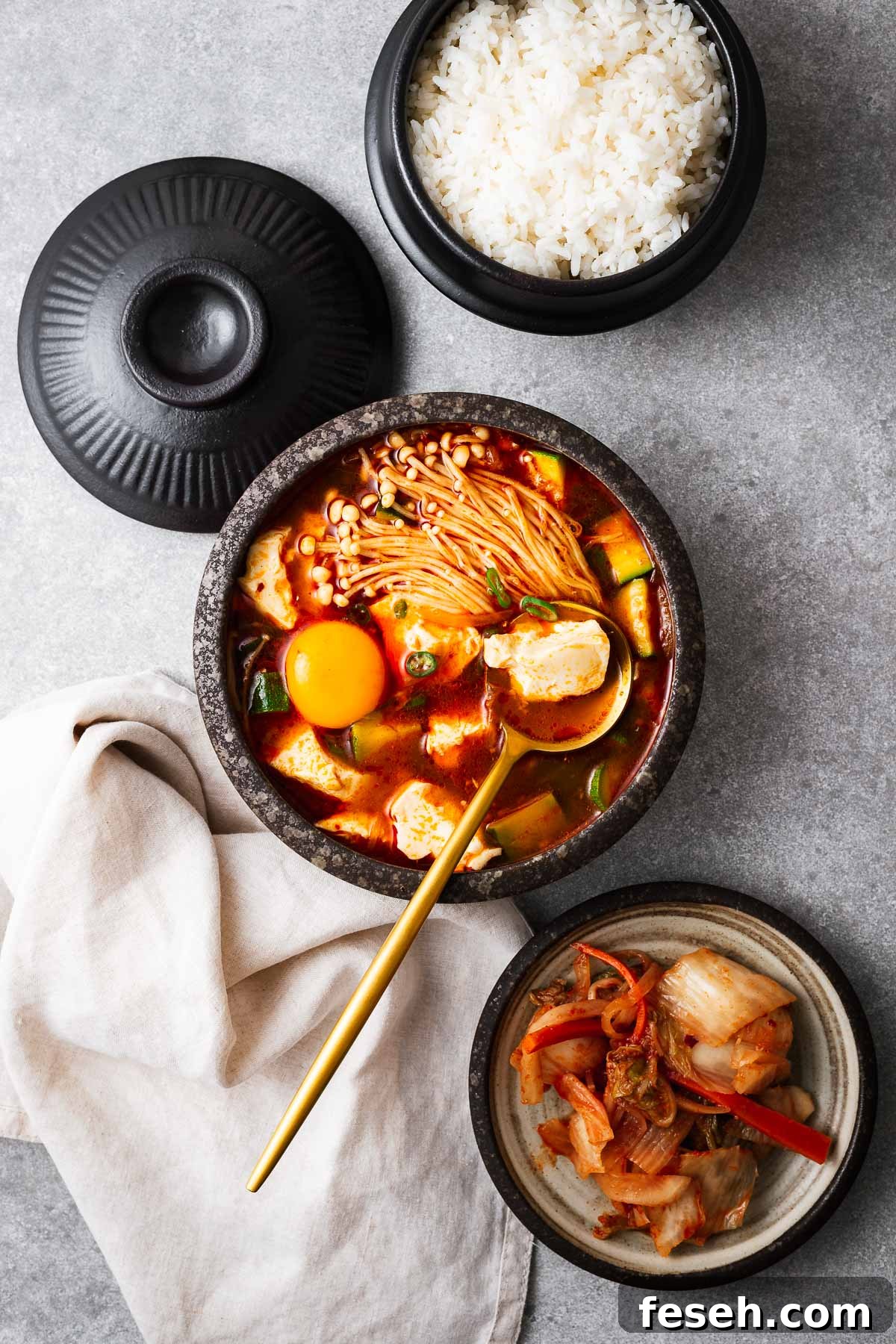
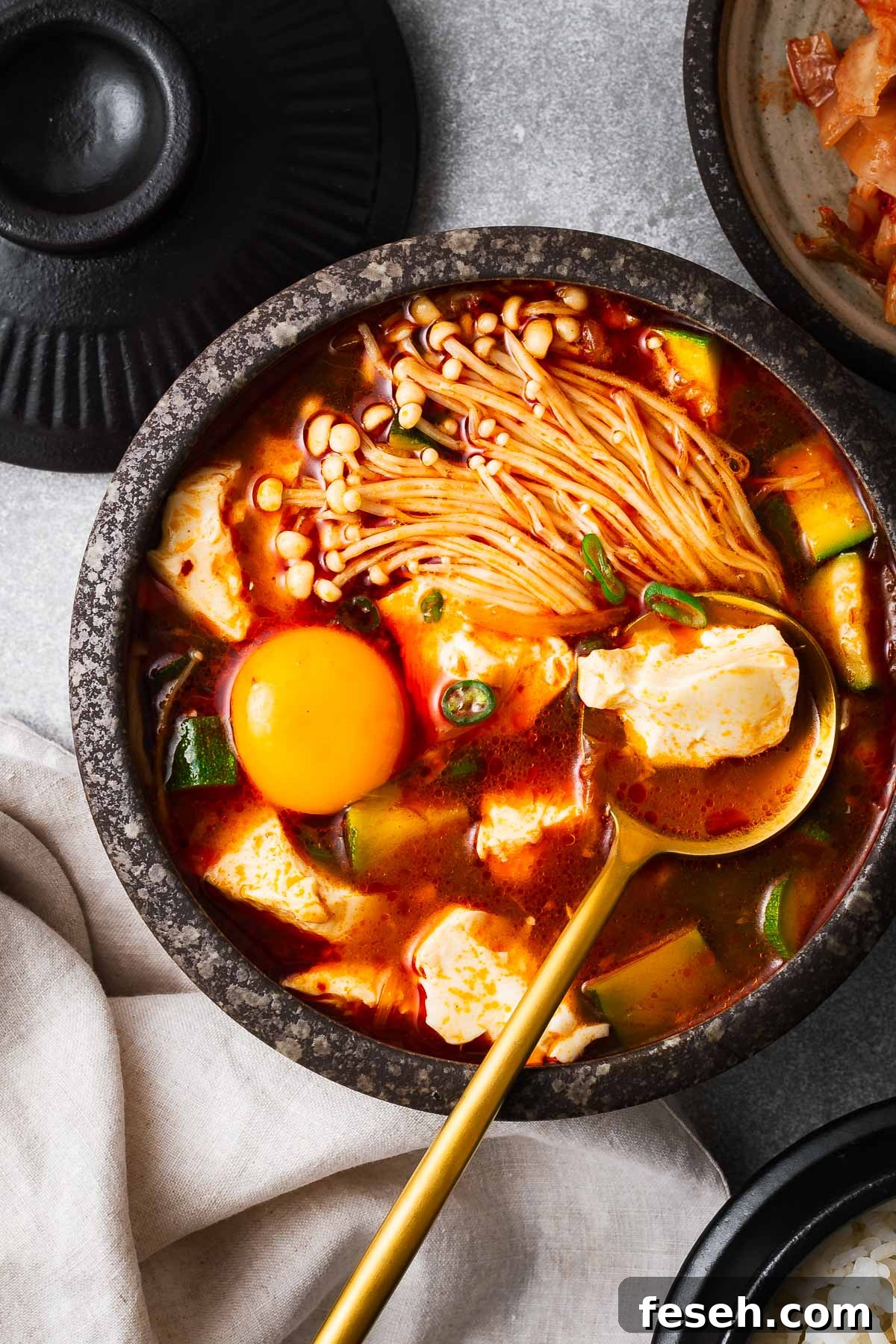
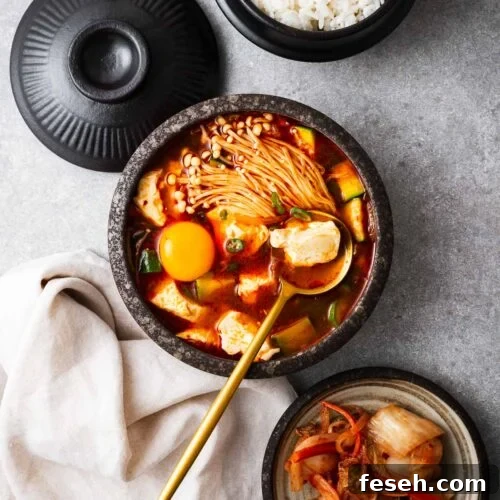
Warm up cold evenings with a steaming bowl of Korean soft tofu stew (sundubu jjigae). This spicy, comforting stew is a Korean classic, perfect with a bowl of steamed short- or medium-grain rice.
It’s highly adaptable, cooks in about 25 minutes, and is so good I make it regularly. Silky soft tofu cooks with zucchini and mushrooms in a fragrant broth spiced with gochugaru (Korean red pepper flakes). I often crack an egg into the pot at the end for extra richness — omit it to keep the stew vegan. Below you’ll also find notes for adding meat if you prefer a heartier version.
Gather your ingredients and enjoy this simple, delicious sundubu jjigae.
Why you’ll love this recipe
Sundubu jjigae is beloved for its bold flavours, comforting heat and flexibility.
- Customisable: Swap in pork belly, ground meat, shiitake or king oyster mushrooms, or make it fully vegan. Add extra stock for a soupier version.
- Quick and easy: Ready in roughly 25 minutes, ideal for weeknights.
- Flavourful: Gochugaru and aromatics create a deep, spicy broth that’s warming and satisfying.
- Vegan-friendly: Use vegetable stock or vegan dashi and skip the egg to keep it vegan. The recipe is also naturally gluten-free if you choose gluten-free soy sauce.
Ingredients and substitutes





This stew is versatile and forgiving — swap ingredients based on what you have and your dietary needs.
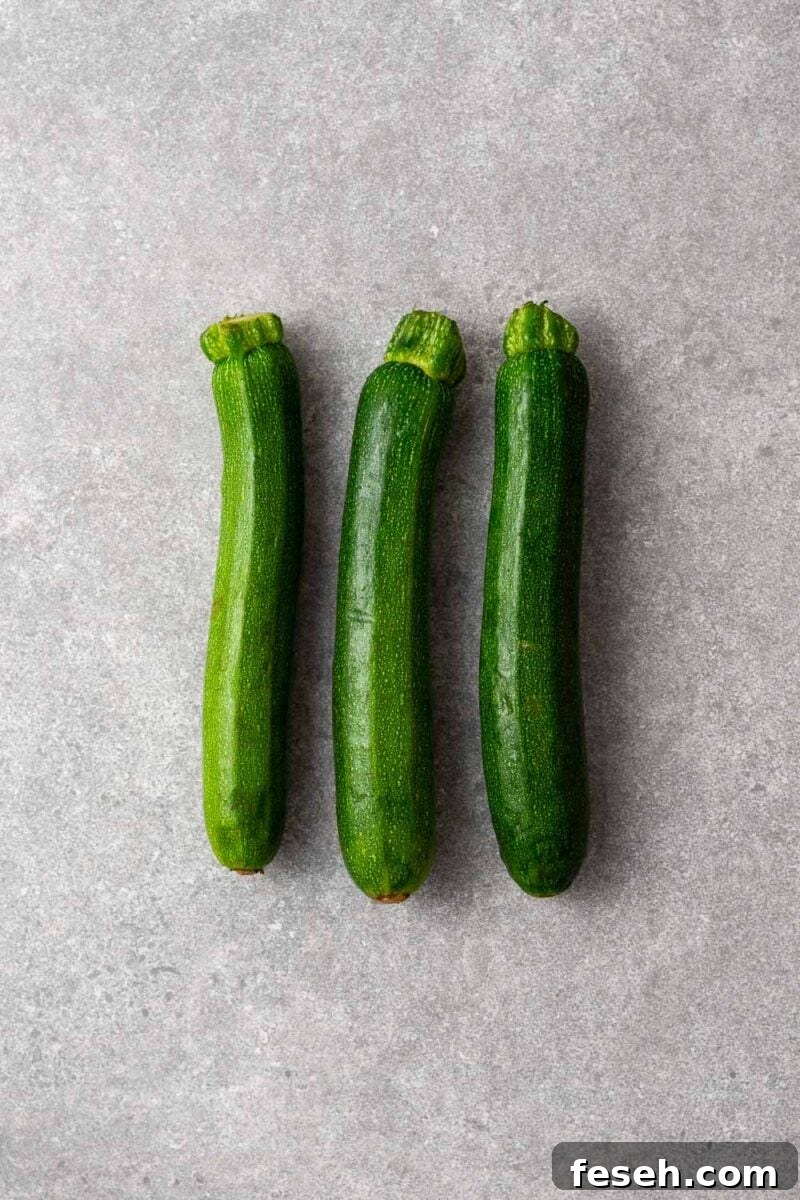
- Zucchini: Young zucchini or baby courgettes work well; a large zucchini can be quartered and sliced. Other squash varieties are fine as substitutes.
- Oil: Toasted sesame oil adds aroma but plain vegetable oil works too. Use a mix if you like the sesame flavour without overpowering the dish.
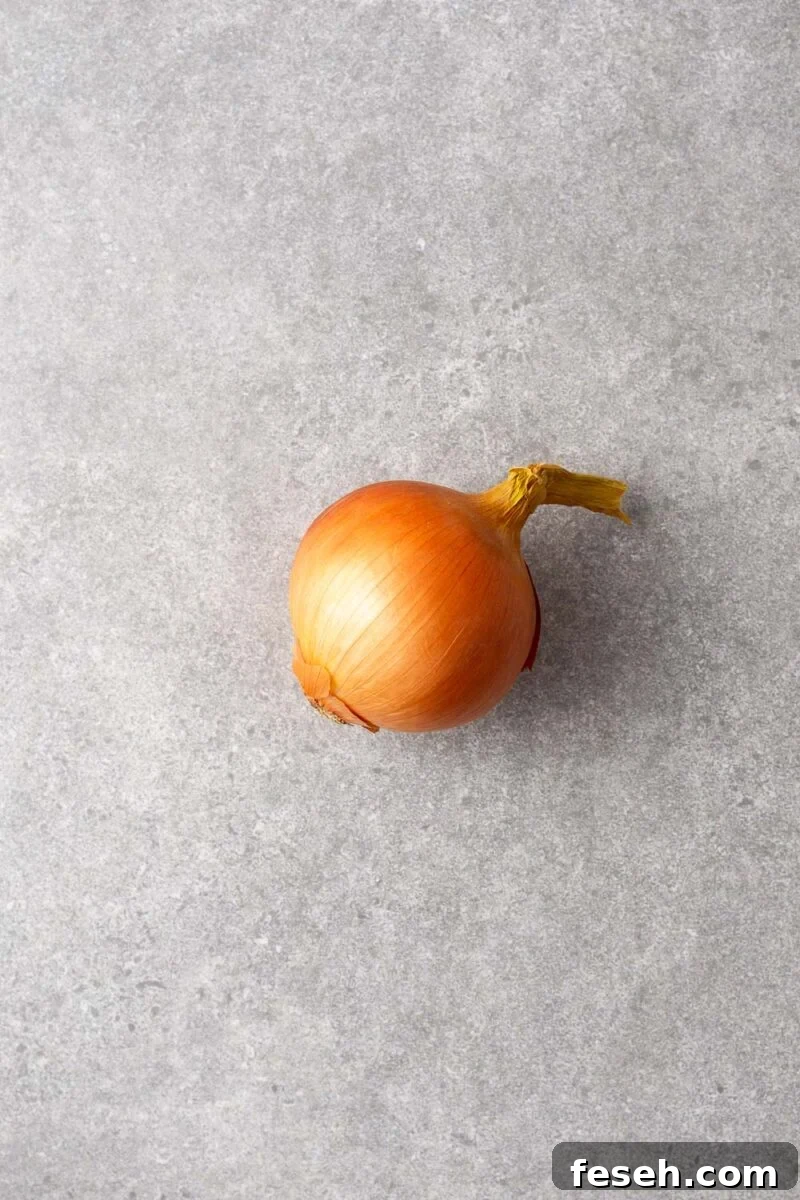
- Aromatics: Onion, garlic and ginger build the broth’s base — don’t skip them.
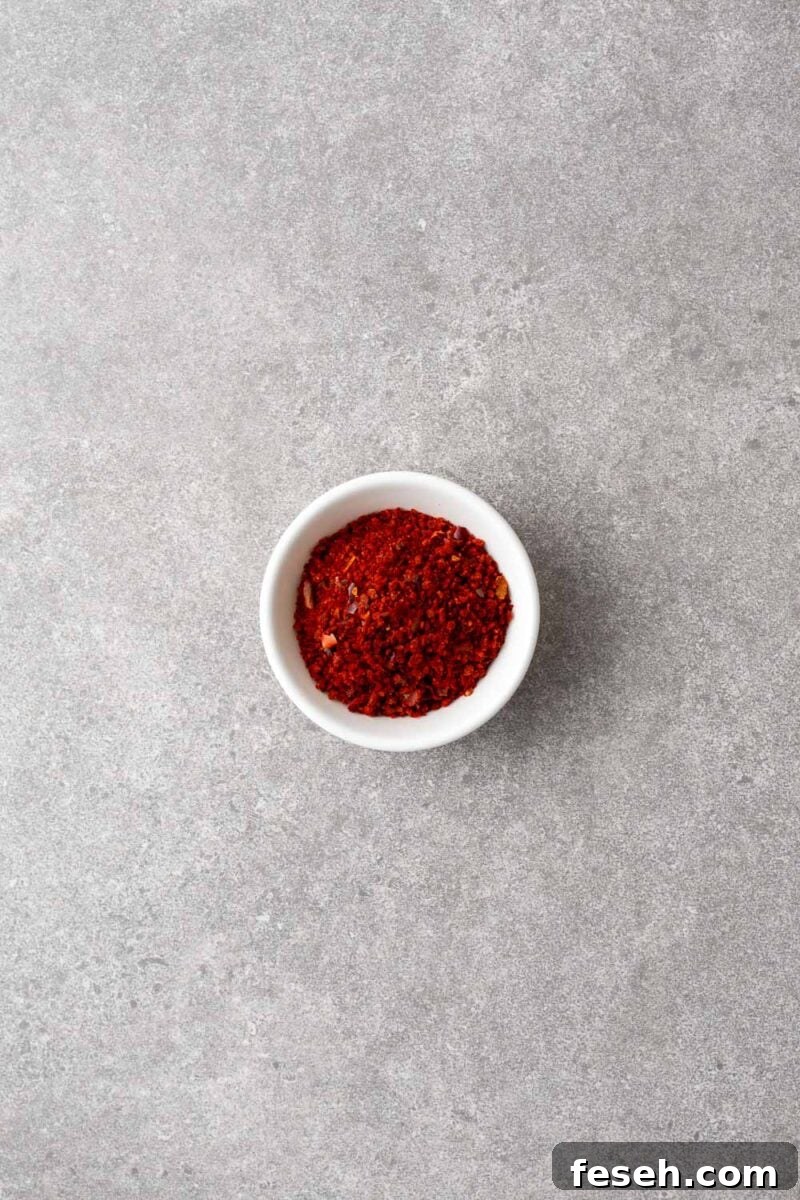
- Gochugaru: Korean red pepper flakes provide heat, color and depth. If unavailable, another red chilli flake is acceptable.
- Stock: Anchovy stock is traditional, but dashi, chicken or vegetable stock, or even water will work. Use a stock you enjoy for the best flavour. Add extra stock to make a lighter tofu soup.
- Soy sauce: Light soy sauce is recommended, but regular soy sauce is suitable.
- Mirin: Adds subtle sweetness; substitute a small pinch of sugar if you don’t have mirin.
- White pepper: Provides an authentic finish, though freshly ground black pepper is okay.
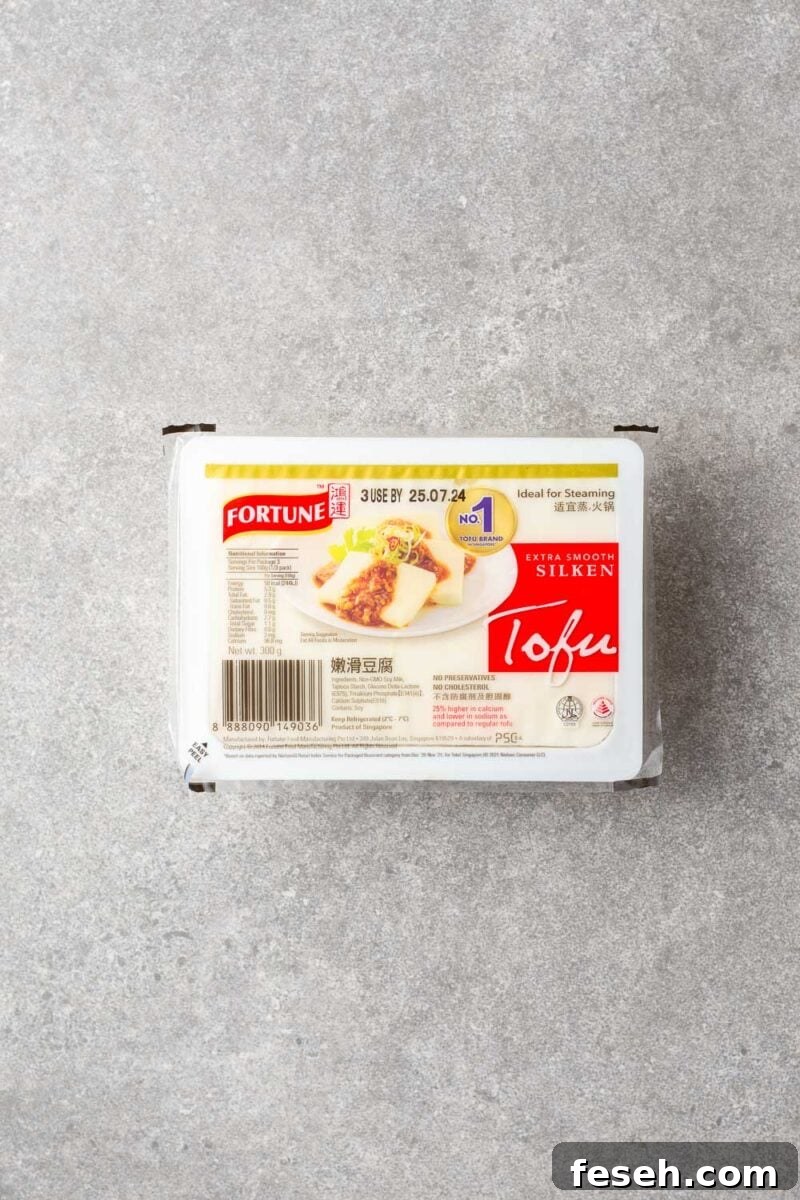
- Silken tofu: Use Korean soondubu if available or a fresh silken tofu from the refrigerated section — it should be very soft and silky.
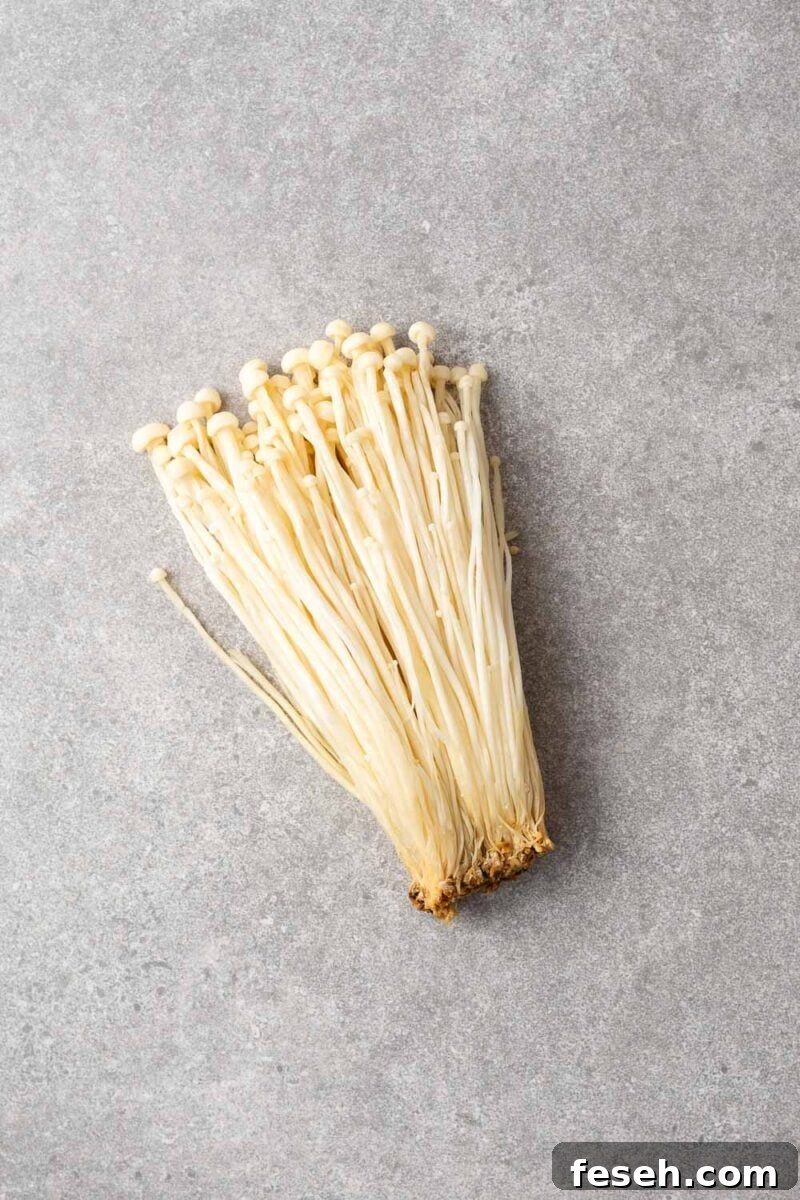
- Mushrooms: Enoki or shimeji are great. If using firmer mushrooms like shiitake or king oyster, add them with the onions so they have time to cook.
To serve (optional)

- Eggs: Crack whole eggs or yolks into the hot stew just before serving for a silky finish. Steam briefly with the lid on until cooked to your liking, or omit for a vegan meal.
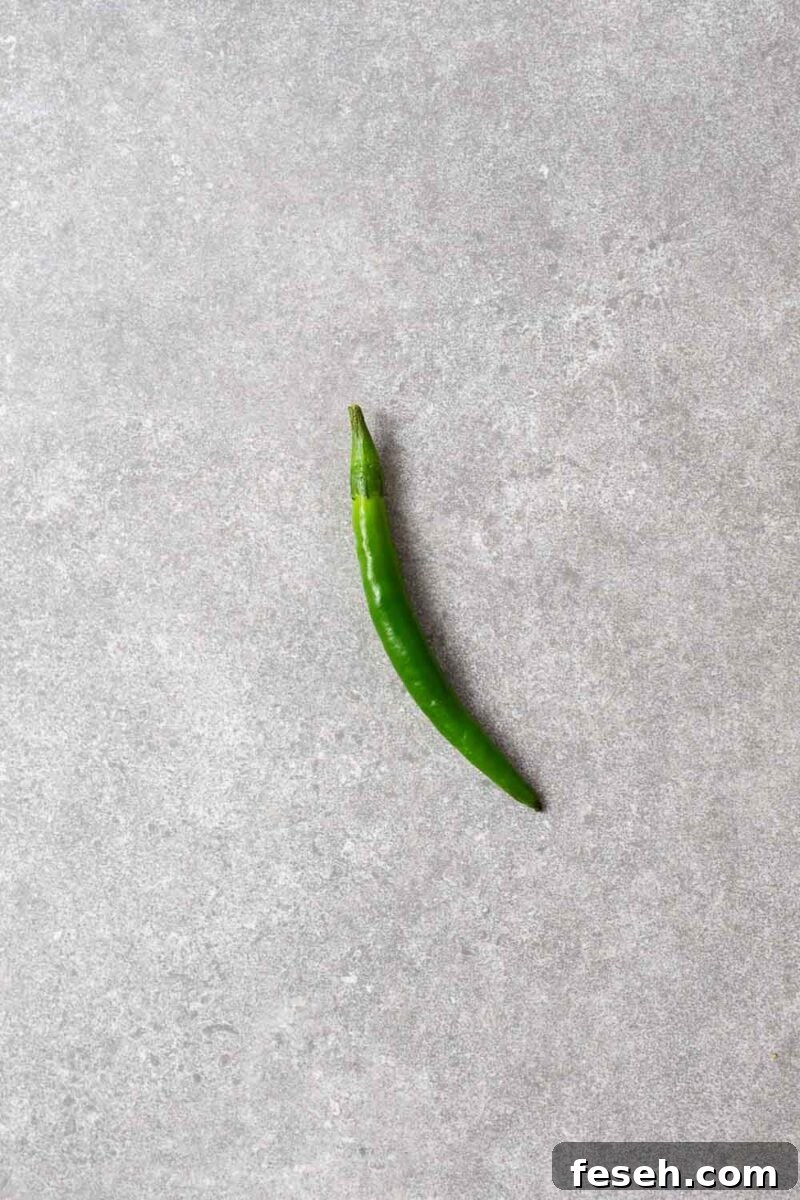
- Green chilli: Adds extra heat — taste the stew first and add only if desired.
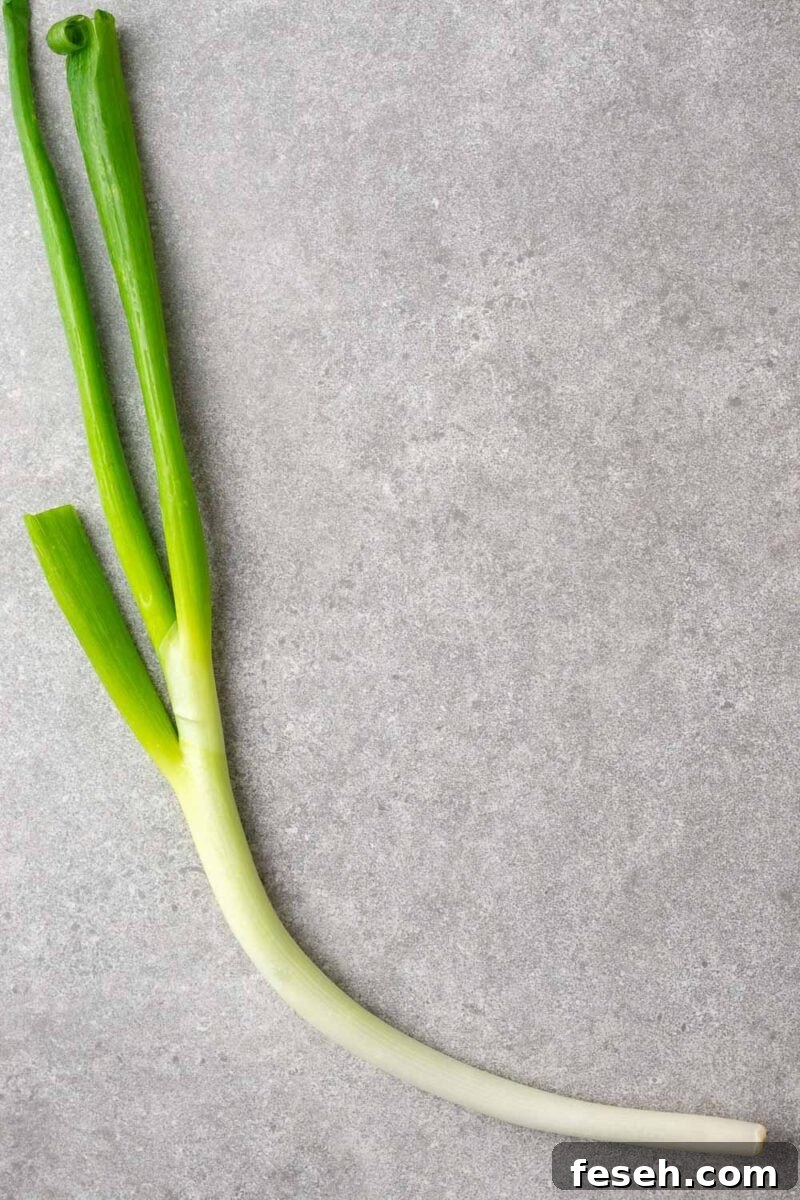
- Green onion: Thinly sliced scallions bring freshness to the finished dish.
Optional variations
- Meat: Brown ground pork or pork belly in the oil before adding the aromatics for a richer, meaty stew.
- Kimchi: Stir in shredded kimchi near the end of cooking to make a kimchi jjigae-style version with tang and extra depth.
Frequently asked questions
Haemul sundubu jjigae is a spicy soft tofu stew made with seafood such as shrimp and clams, cooked in a savory broth often based on anchovy stock and seasoned with gochugaru. It’s usually served piping hot and finished with green onions.
Sundubu jjigae centers on soft tofu in a spicy broth and may include seafood or pork. Kimchi jjigae highlights kimchi as the main ingredient, usually with pork or tuna, and tends to be tangier from the fermented cabbage.
Jjigae means stew in Korean — a hot, often spicy dish of meats, seafood, vegetables and tofu served bubbling at the table and typically eaten with rice.
Serving suggestions
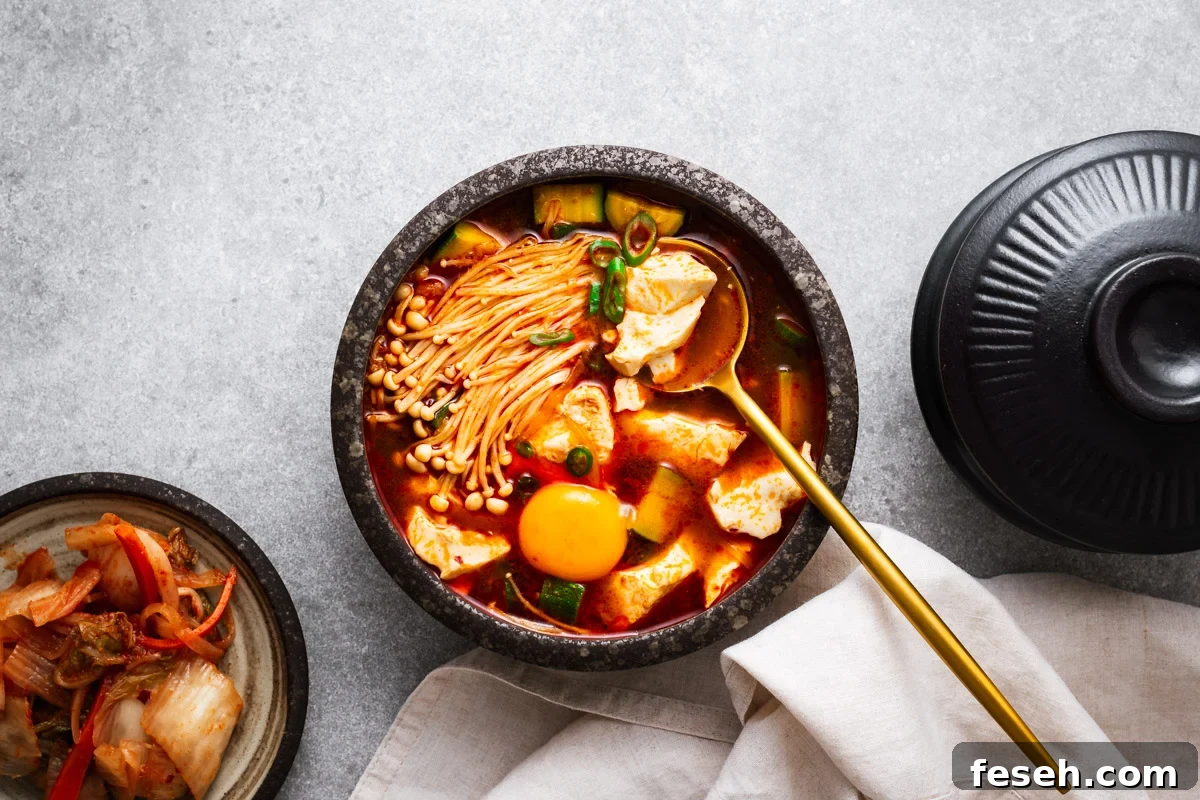
Traditionally this stew is cooked and served in a Korean earthenware pot (ttukbaegi), which keeps it bubbling at the table. If you don’t have one, portion the stew into bowls and add eggs to each bowl if you like.
Serve with steamed white rice (short- or medium-grain is best) and a selection of Korean side dishes (banchan).
Popular banchan to accompany sundubu jjigae:
- Kimchi: A classic choice — look for vegan kimchi if avoiding fish-based seasonings.
- Oi muchim: A spicy, tangy Korean cucumber salad.
- Pa muchim: A simple green onion salad for freshness.
- Gamja jorim: Soy-braised potatoes served hot or cold.
More Korean recipes you may like
If you enjoy this stew, try other Korean favourites that pair well with rice and banchan.
-
 Gyeran bap
 -
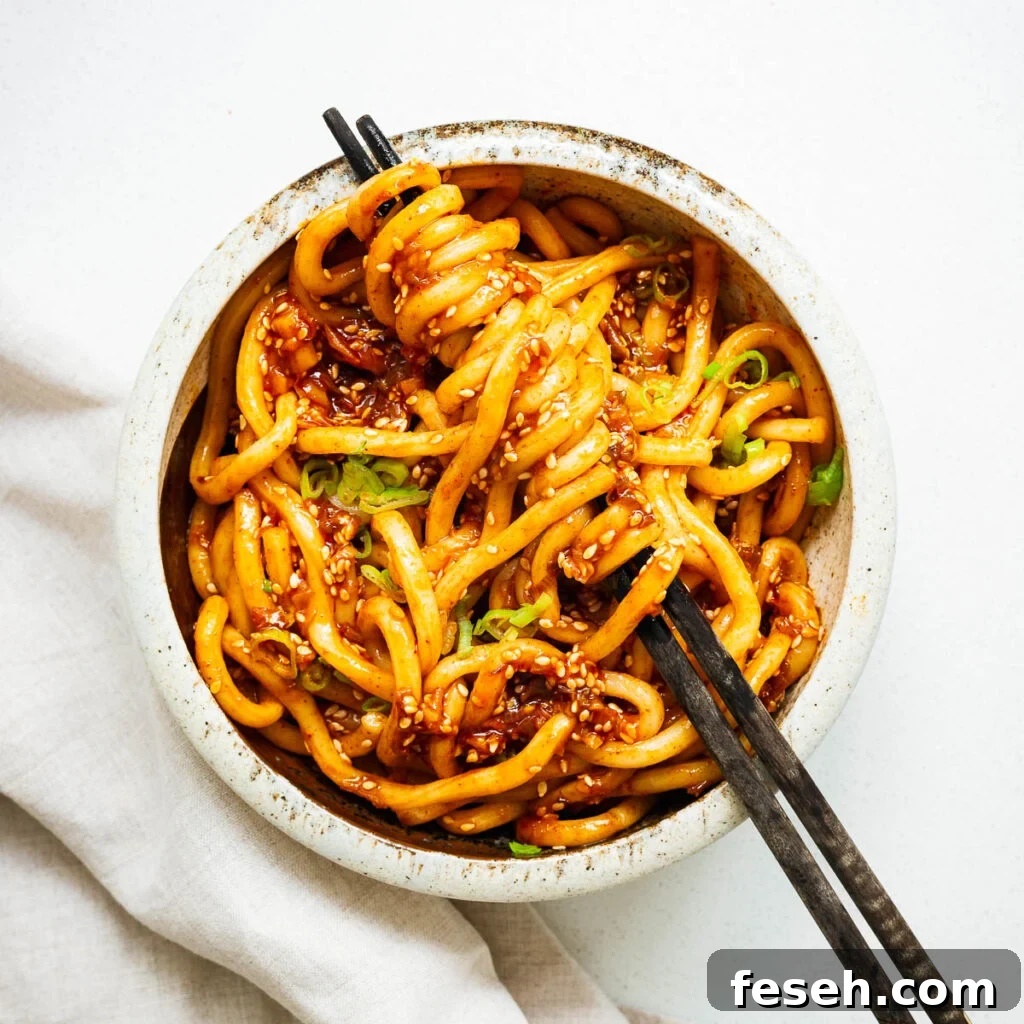
Gochujang noodles
-
Mayak eggs
-
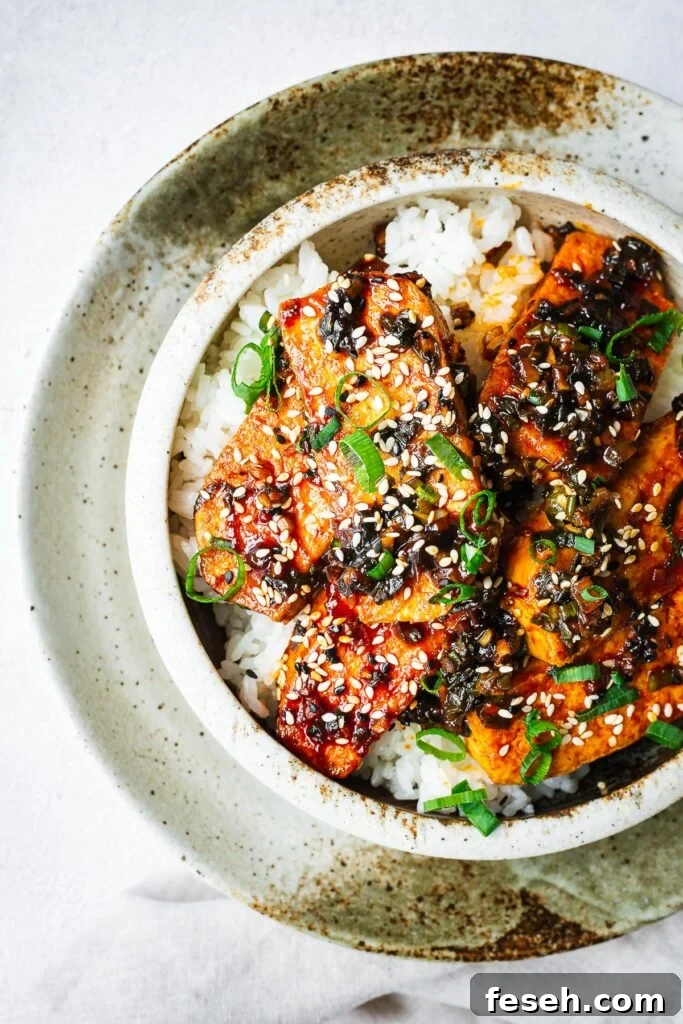
Gochujang tofu


Korean Soft Tofu Stew (Sundubu Jjigae)
Print
Pin
Ingredients
- 10 ounces zucchini* (about 1 large or 3 baby ones)
- fine sea salt
- 1 tablespoon vegetable oil
- 1 tablespoon toasted sesame oil
- ½ onion , thinly sliced
- 3 garlic cloves , minced
- ½ teaspoon grated ginger root
- 1 tablespoon gochugaru (Korean red pepper flakes) , or another red chilli flake
- 1½ cups stock* , use chicken, vegetable, or dashi
- 1 tablespoon light soy sauce , or more to taste
- 1 tablespoon mirin , or a tiny pinch of sugar
- ¼ teaspoon white pepper
- 1 10½ ounce pack soft silken tofu
- 3½ ounces enoki mushrooms
To finish (optional)
- 2 eggs , whole or just yolks
- 1 green finger chilli , chopped
- 1 green onion (scallion) , thinly sliced
Instructions
-
Cut the zucchini into bite-sized pieces. Sprinkle with a pinch of sea salt and set aside to draw out a little moisture.
-
Heat a heavy-based saucepan over medium heat. Add vegetable oil and toasted sesame oil, then sauté the sliced onion, minced garlic and grated ginger with a pinch of salt until the onion softens, about 5 minutes. Add the gochugaru and stir for about a minute, watching carefully so it doesn’t burn.
-
Pour in the stock, then add soy sauce, mirin and white pepper. Gently add the zucchini and the soft tofu, breaking the tofu up slightly with a spoon. Increase heat to bring to a simmer, then reduce to medium and cook until the zucchini is tender, about 10 minutes. Taste and adjust salt as needed.
-
Scatter in the enoki mushrooms and crack in the eggs if using. Add the chopped green chilli if you want extra heat. Cover and steam for about 2 minutes or until the eggs are cooked to your liking.
-
Ladle the stew into bowls, carefully placing an egg into each serving if used. Garnish with sliced green onion and serve hot with steamed rice.
Notes
- Stock: Anchovy stock is traditional, but dashi, chicken or vegetable stock all work well. Use what you prefer for the best result.
- Zucchini: Baby courgettes are great, but a large zucchini is fine when cut into chunks.
- Vegan sundubu: Use vegetable stock or vegan dashi and omit the eggs.
- Meat option: For a meaty version, brown 100 g (about 3½ ounces) of ground pork in the oil before adding the aromatics, then continue with the recipe.
This recipe is inspired by classic soondubu jjigae preparations and adapted to be flexible for vegetarian and vegan diets while staying flavourful.
Nutrition Information
Pin Recipe
Share on Facebook