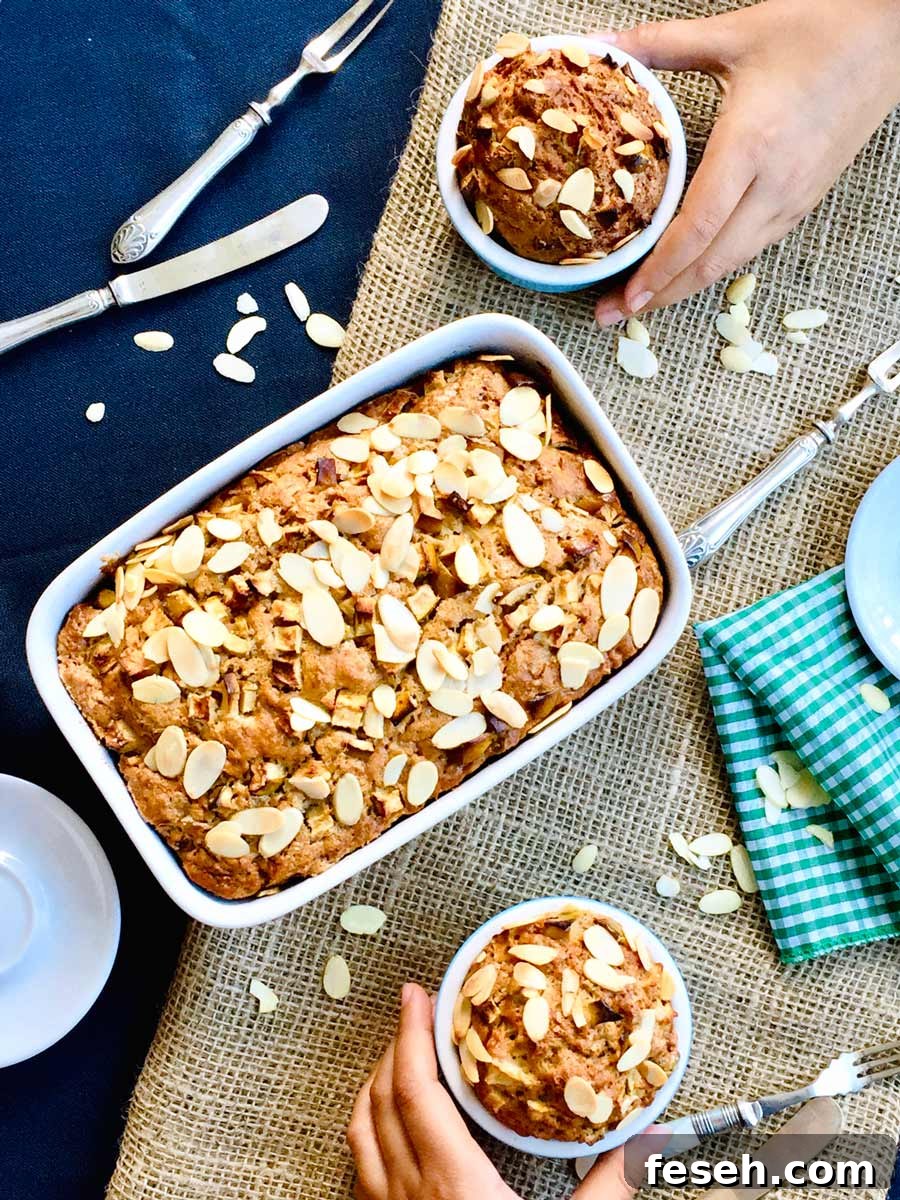
Apple season is in full swing, and my kitchen is full of apple muffins, cakes, pies and cozy apple breakfasts. We adore anything apple — do you?
I usually make this recipe as muffins because I love their light texture and the minimal fuss: no chopping, less mess and easy portioning. Sometimes I also bake it as a small cake or loaf, depending on the mood and the number of hungry mouths to feed.
I made this apple cake last Sunday. Feeling a bit lazy to pull out lots of ramekins and deal with extra washing, I baked it in a small dish instead of multiple ramekins — and it turned out beautifully. We had it for a late breakfast before rushing to piano lessons and everyone loved it.
Next weekend I’m planning to make apple, oatmeal and cottage cheese pancakes — a combination I haven’t made in a while and already miss.
Apples have been used in cooking for centuries and remain a favourite in many homes. As a child, I always looked forward to apple desserts my mum or grandmothers made — the warm, comforting aroma is unforgettable.
Are apples good for us? Yes — apples are delicious and nutritious. Research supports many of their health benefits. Here are a few evidence-backed reasons to enjoy them:
- Apples contain polyphenols, fiber and vitamin C. Polyphenols help support healthy blood pressure and may lower stroke risk.
- They can assist with weight management: apples are low in energy density and high in fiber and water, which help you feel full.
- Apples support heart health. Their antioxidants — especially under the skin — can help reduce cholesterol and support cardiovascular health.
- Apples may lower the risk of type 2 diabetes and act as a prebiotic thanks to their pectin content, feeding beneficial gut bacteria.
- High antioxidant and anti-inflammatory properties mean apples may help lower the risk of some cancers.
- The antioxidant content also helps protect the lungs and may reduce asthma risk by limiting oxidative damage.
Overall, apples offer many health benefits. A simple guideline: make apples a regular part of your diet and your immune system will thank you. If you enjoy fruit desserts, this apple and fresh ginger bake is a lovely choice.
Enjoy — enough talk. Let’s make these extra fluffy apple and fresh ginger muffins or a small cake.
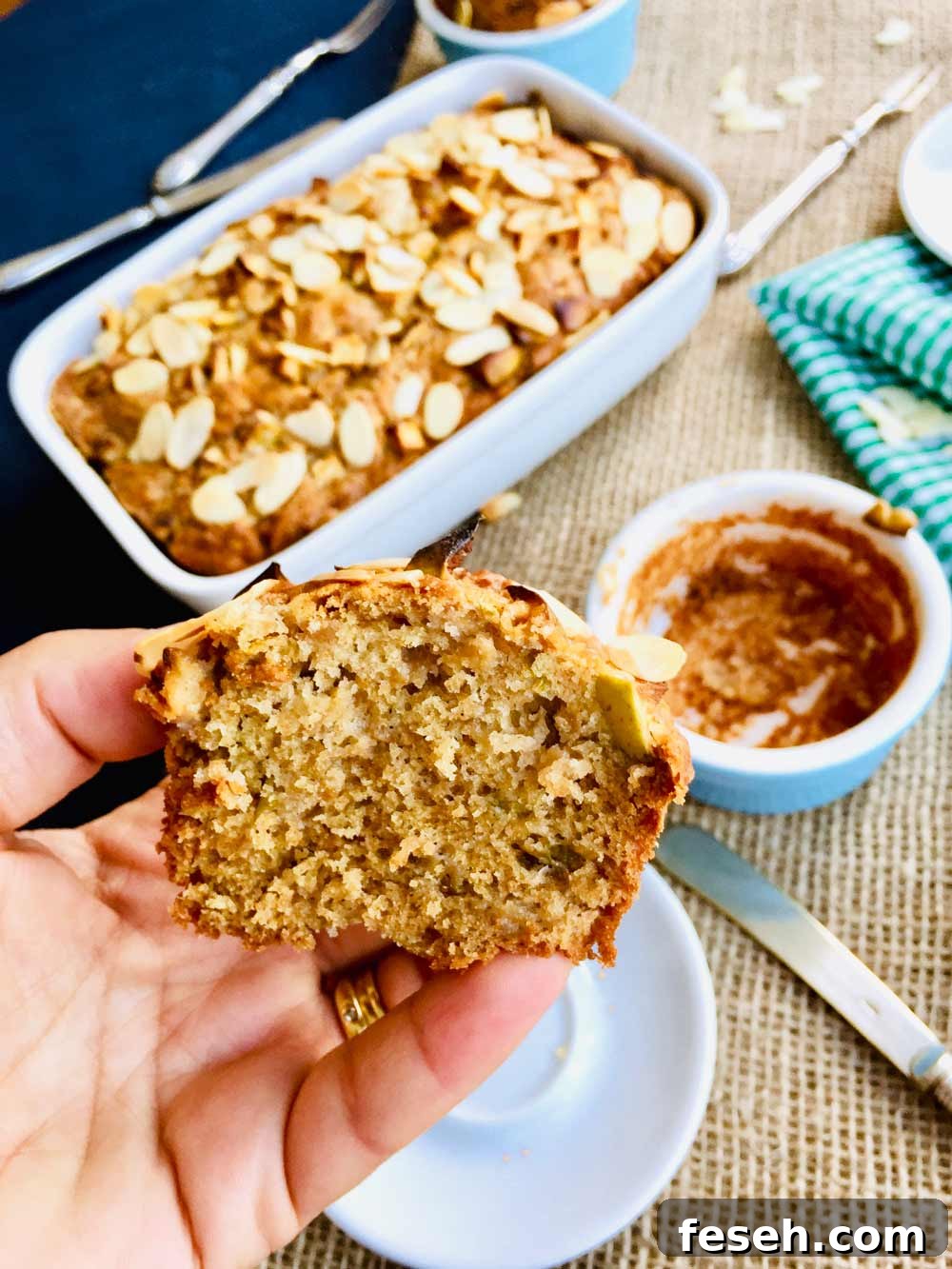
Extra Fluffy Apple Muffins or Cake
Ingredients
- 200 g self-raising flour
- 350 g grated apple
- 220 g sugar *
- 180 ml oil
- 1 tablespoon freshly grated ginger
- ¾ teaspoon cinnamon
- ¼ teaspoon freshly grated nutmeg
- 3 eggs, separated
- 1 teaspoon bicarbonate of soda
- 1 tablespoon cider vinegar
- 1 teaspoon vanilla essence
- ½ teaspoon salt
To assemble:
- 1 large apple, chopped into cubes
- 1 tablespoon cane sugar to sprinkle on top
- 30 g chopped almonds
Instructions
- Preheat the oven to 190°C. Grease ramekins, a muffin tray or a small baking dish with butter or oil spray.
- Grate the apples and set aside.
- Chop the apple for the topping and toss with the tablespoon of cane sugar. Set aside.
- Using a freestanding electric mixer, beat the 3 yolks plus 1 egg white at high speed for 1 minute. Add 100g sugar and beat 2 minutes, then add the remaining 100g sugar and beat for another 2–3 minutes until light and fluffy.
- With the mixer running, drizzle in the oil slowly until fully incorporated.
- Mix the bicarbonate of soda with the cider vinegar in a small cup, then add to the egg mixture along with the vanilla and freshly grated ginger. Mix until combined.
- In a separate bowl, whisk together the dry ingredients (flour, salt, cinnamon and nutmeg). Add to the egg mixture in two batches, folding gently. Do not overmix.
- Fold the grated apple and any juice into the batter until evenly distributed.
- Spoon the batter into prepared ramekins, muffin tray or baking dish. Top with cubed apple and almond flakes, then bake at 190°C for 30–40 minutes depending on your chosen dish. They should be golden brown and a skewer inserted in the center should come out clean.
- Serve warm with a dollop of crème fraîche or a scoop of vanilla ice cream.
Notes
* Adjust the sugar to taste. I prefer cane sugar, which tastes slightly less sweet than granulated sugar; when I tested granulated sugar the result was noticeably sweeter.
* Feel free to add cranberries, other nuts, coconut flakes or dried fruit — get creative.
Enjoy this bake with a cup of tea, as a snack, or as a dessert after a meal. It’s a comforting and well-deserved treat.
Nutrition
|
Carbohydrates: 58 g
|
Protein: 6 g
|
Fat: 27 g
|
Saturated Fat: 2 g
|
Cholesterol: 61 mg
|
Sodium: 308 mg
|
Potassium: 153 mg
|
Fiber: 3 g
|
Sugar: 36 g
|
Vitamin A: 125 IU
|
Vitamin C: 3 mg
|
Calcium: 28 mg
|
Iron: 1 mg
Tried this Recipe? Tag me Today!
Mention @ramonas.cuisine or tag #ramonascuisine on Instagram.