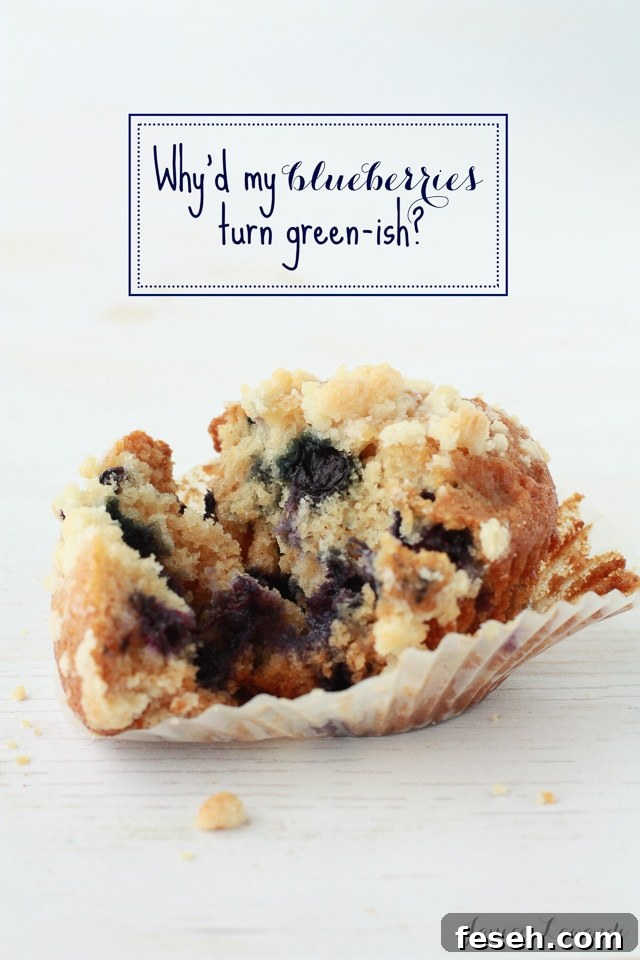
If you’ve ever baked a batch of blueberry muffins and noticed the berries turned green instead of blue or purple, don’t worry — it’s a common and harmless occurrence. Read on to learn why blueberries can change color when baked and how to avoid it if you prefer the classic deep-blue hue.
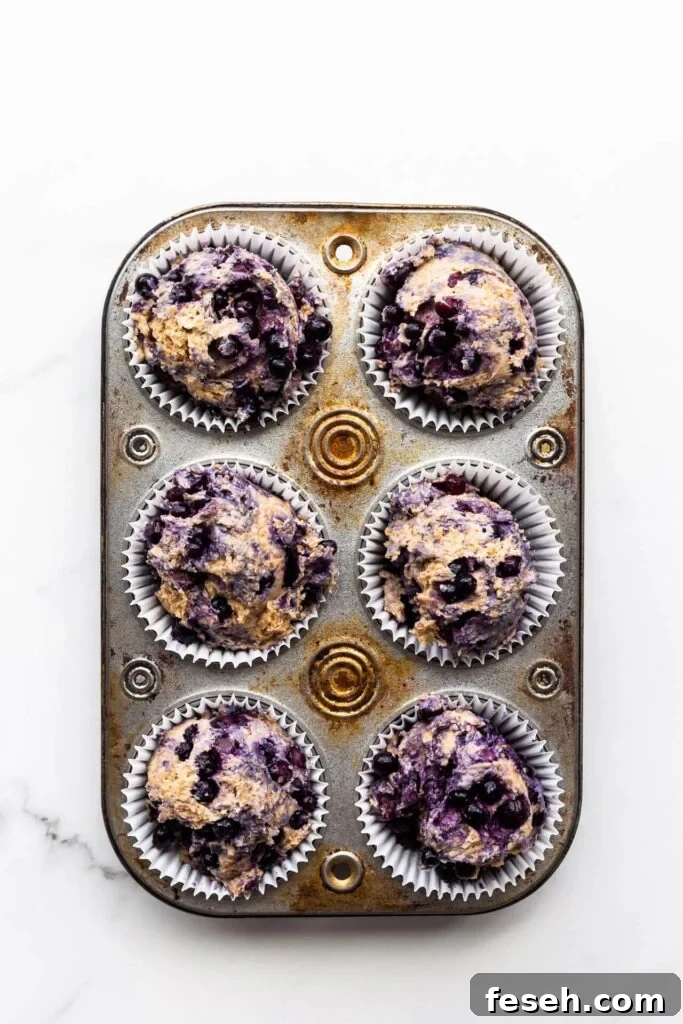
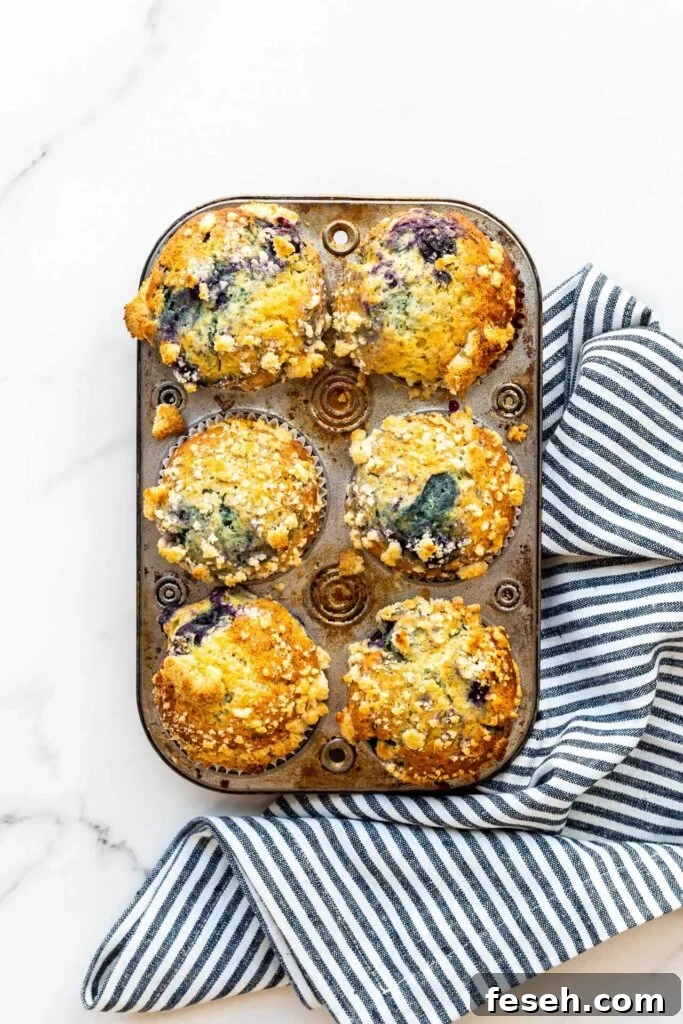
Even carefully made, moist honey blueberry muffins can end up with unappealing green patches where the berries should be purple. The flavor is unchanged; what you’re seeing is a natural chemical reaction. The main players are anthocyanins — the pigments that give many fruits and vegetables their red, purple, and blue colors — and the pH (acidity or alkalinity) of the batter.
What are anthocyanins?
Anthocyanins (plural) are a group of plant pigments and antioxidants responsible for many of the reds, purples, and blues you see in fruits, vegetables, and flowers — from red cabbage and purple corn to berries and grapes. They are distinct from carotenoids like beta-carotene, which produce oranges and yellows. In blueberries, cyanidin 3-glucoside, a specific anthocyanin, contributes to their typical violet-blue color.
Why do anthocyanins change color?
Anthocyanins are sensitive to pH and act like natural pH indicators. Their color shifts depending on whether they are in an acidic, neutral, or alkaline environment. For cyanidin 3-glucoside, the range can include red at low (acidic) pH, violet at neutral pH, and blue or even green at higher (alkaline) pH. These changes result from small alterations in the pigment’s molecular structure that affect how it absorbs and reflects light.
Why do blueberries turn green in muffins?
The simple answer is that your batter’s pH affects the berry pigments. Recipes that use baking soda (sodium bicarbonate) rely on an acid to react with that alkali and produce lift. If there isn’t enough acid in the batter to neutralize the baking soda, the mixture becomes more alkaline. Under those basic conditions, blueberry anthocyanins can shift toward blue-green hues, producing the green-looking spots in the finished muffins.
This color change doesn’t indicate spoilage or a flavor problem — it’s purely a visual effect. If the green color bothers you, adjust the recipe slightly: add a little more of the acidic ingredient the recipe already calls for (buttermilk, yogurt, lemon juice, or vinegar), or reduce the amount of baking soda and substitute some baking powder if extra leavening is needed. These tweaks help lower the batter pH, keeping the anthocyanins in the red-to-violet range and preserving the familiar blueberry color.
In short: anthocyanins from blueberries react to the batter’s pH. When batter is too alkaline—often because of excess baking soda or insufficient acid—the pigments can shift to blue-green. The taste remains the same, but a small recipe adjustment can restore the expected color in future batches.